
The Bank of Canada held its key interest rate at 2.25 per cent for the fifth consecutive meeting on Wednesday, but the combination of economic weakness and rising inflation may pose a dilemma for the central bank going forward.
Weaker-than-expected economic activity in the first quarter of 2026 was one of the key concerns that informed the governing council’s decision, the central bank said. The economy contracted slightly at the beginning of the year and is expected to remain in a state of excess supply, even though recent data suggests growth will resume in the second quarter.
Inflation also weighed on the governing council, as global oil prices remain elevated due to the war in Iran. Officials said there is limited evidence to suggest that higher energy prices have passed through to other consumer prices and core inflation was relatively steady. However, they still expect total inflation to hover around three per cent in the near term before “easing gradually” towards the two per cent target throughout 2027.
Uncertainty surrounding U.S. tariffs were also discussed, but the governing council decided to maintain the policy rate against the overall economic backdrop.
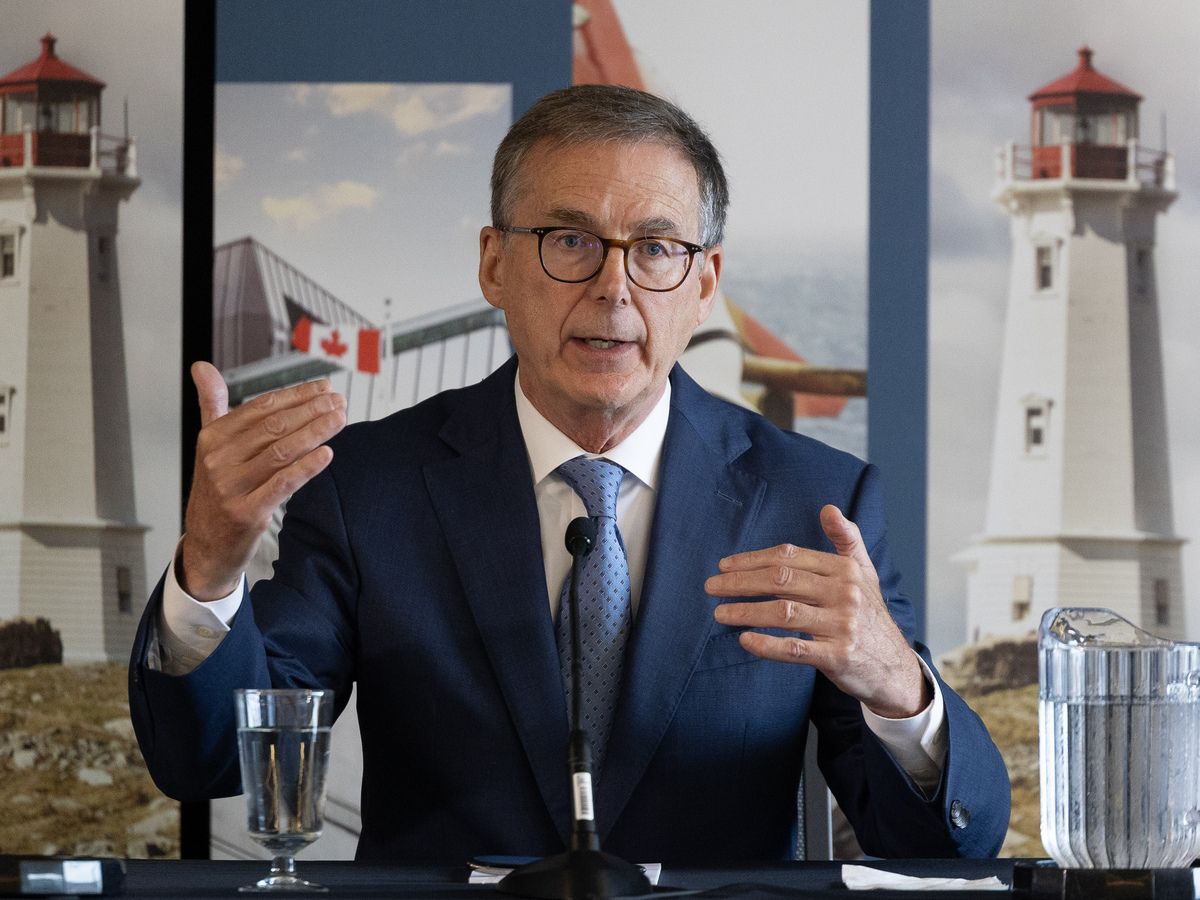
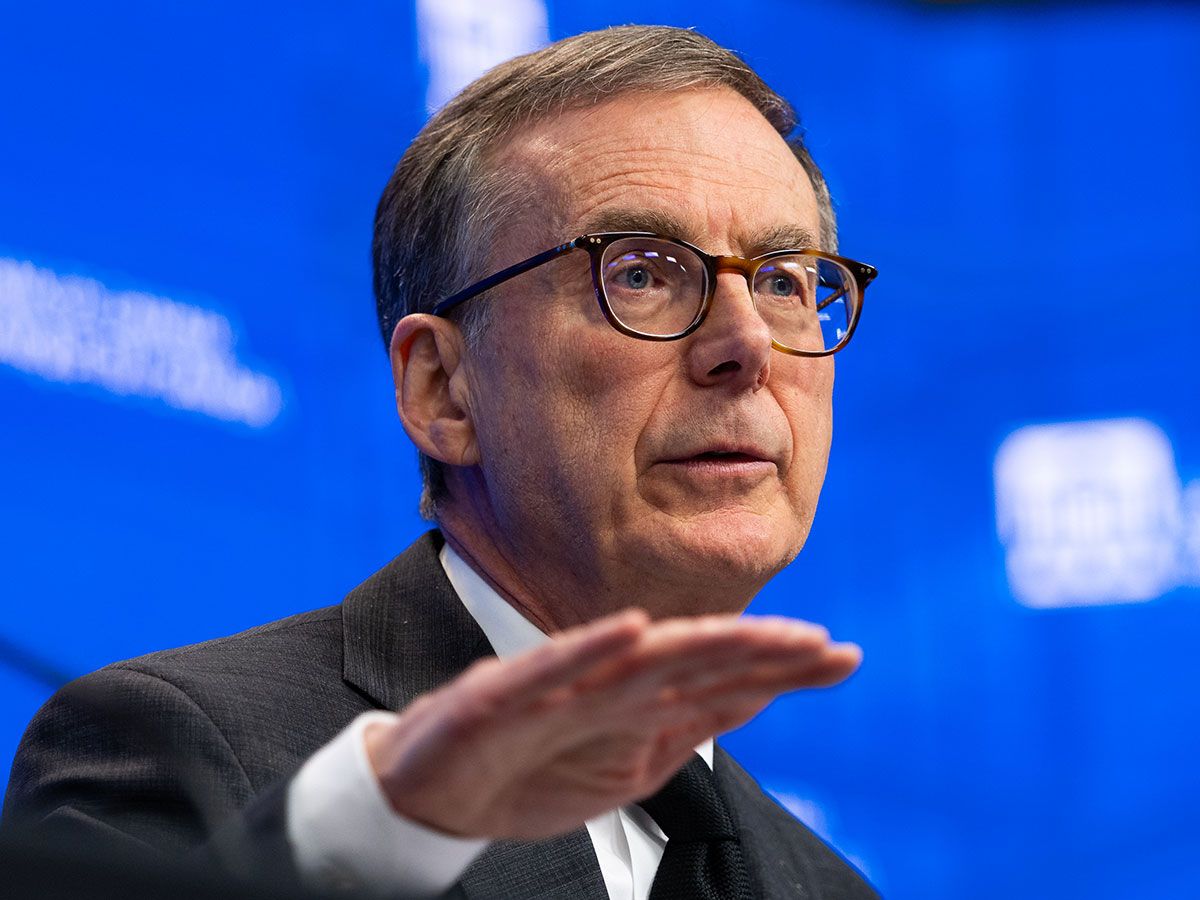
“Economic weakness combined with rising inflation is a dilemma for monetary policy,” Bank of Canada governor Tiff Macklem said at a news conference following the announcement.
“Raising rates to dampen inflation could further slow the economy. Easing rates to support growth increases the risk that higher inflation becomes persistent. For now, holding the policy rate unchanged balances those risks,” he said.
“However, uncertainty is unusually elevated, and the risks could shift. Monetary policy may need to be nimble.”
The Bank of Canada’s June decision came as inflation continues to climb, reaching 2.8 per cent in April due to higher energy prices, and as the economy entered a technical recession for the first time since 2020, with real gross domestic product unexpectedly contracted by an annualized rate of 0.1 per cent in the first quarter following a 0.2 per cent contraction in the fourth quarter of 2025.
But Macklem said the Bank of Canada’s economic outlook was not changing as a result.
The dip in GDP was mainly due to an unexpected decline in government spending, and the central bank has included the government’s spending plans in its economic projections, he said.
“The economy is weak, but it is not clearly in recession … When you look through the bumps, the economy hasn’t really grown in the last year, but it hasn’t shrunk either. So far, we have not seen a significant broad-based decline in economic activity,” he said.
“There’s always uncertainty and volatility in the month-to-month data, but when you look at our surveys and the high-frequency data we have, we do think the Canadian economy is poised to return to growth in the second quarter.”
The Bank of Canada’s decision was in line with the expectations of economists, who largely predicted it would hold rates.
Steve Ambler, a member of the C.D. Howe Institute’s Business Cycle Council, said he wasn’t surprised by the central bank’s decision, especially since the economy is softer than it was when April’s Monetary Policy Report was published.
“I think they’re being open and honest (about the dilemma). If the negative supply shock is temporary, they can ignore it, then if that shock dissipates, it will ease inflation and help boost output,” Ambler said.
“The bottom line is: Let’s keep our fingers crossed.”
Ambler warned, however, that weakness in the economy may last longer than expected.
“Even if the war ended tomorrow and the Strait of Hormuz was reopened, I think the effects may be a little bit more longer lasting than some people expect. It becomes dangerous if it feeds through to inflation expectations,” Ambler said.
“Firms who are considering setting their prices are going to raise them by a little bit more. Consumers will be expecting higher inflation, and that tends to be self-fulfilling (because people will cut their spending).”
Economists still expect some economic growth by the end of the year, even if it’s revised after April’s GDP and inflation numbers.
Desjardins’ economists predict real GDP will grow by 0.6 per cent by the end of 2026 before hovering around two per cent by the end of 2027 and 2028.
“We expect some upward revisions to the Bank’s inflation outlook in July, consistent with changes to our forecast since the April MPR,” wrote Desjardins deputy chief economist Randall Bartlett and economist LJ Valencia in a note.
• Email: ptran@postmedia.com
Bank of Canada holds interest rate as economic weakness amid rising inflation poses 'dilemma'
2026-06-10 13:45:54