
Bank of Canada
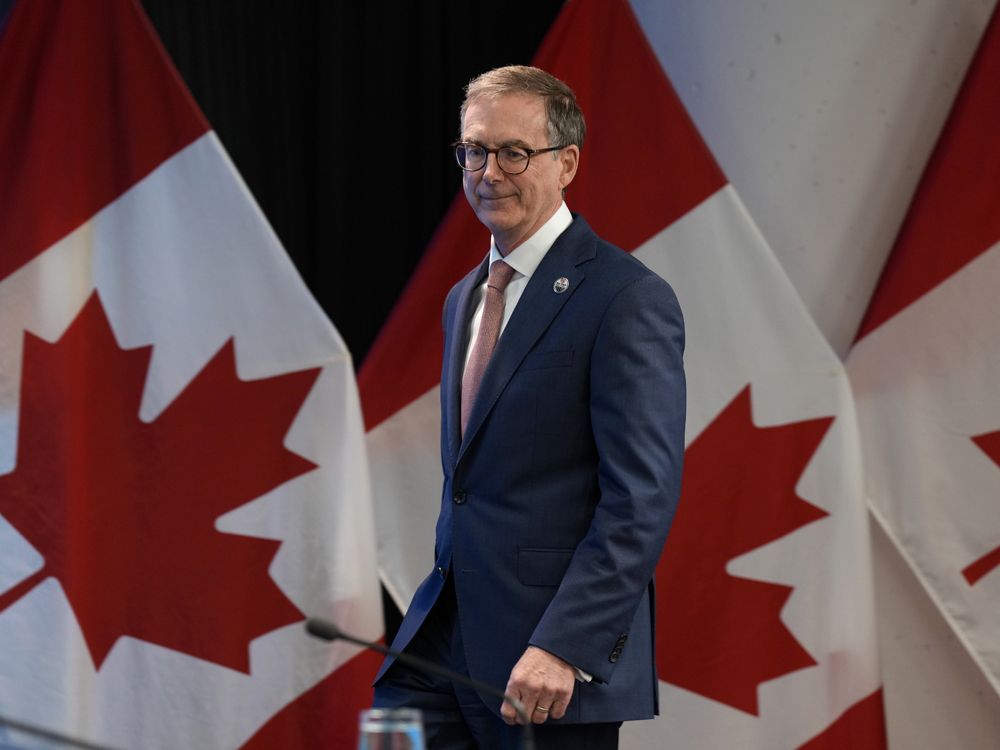
governor
Tiff Macklem
said the recent announcement by Canada and the United States to negotiate a new
trade
and security deal within 30 days is “welcome news” due to this country dependency on its southern neighbour’s market.
“Restoring open trade between our countries is critical to jobs and growth in Canada,” Macklem said during a speech in front of the St. John’s Board of Trade. “It is also important for
prices and inflation.”
Earlier this month, the Bank of Canada decided to hold its policy rate at 2.75 per cent for the second time in a row as uncertainty over U.S. trade policy remains high.
During his speech in St. John’s, N.L., Macklem highlighted how trade disruptions have impacted the Canadian economy, with
U.S. tariffs
still in place on
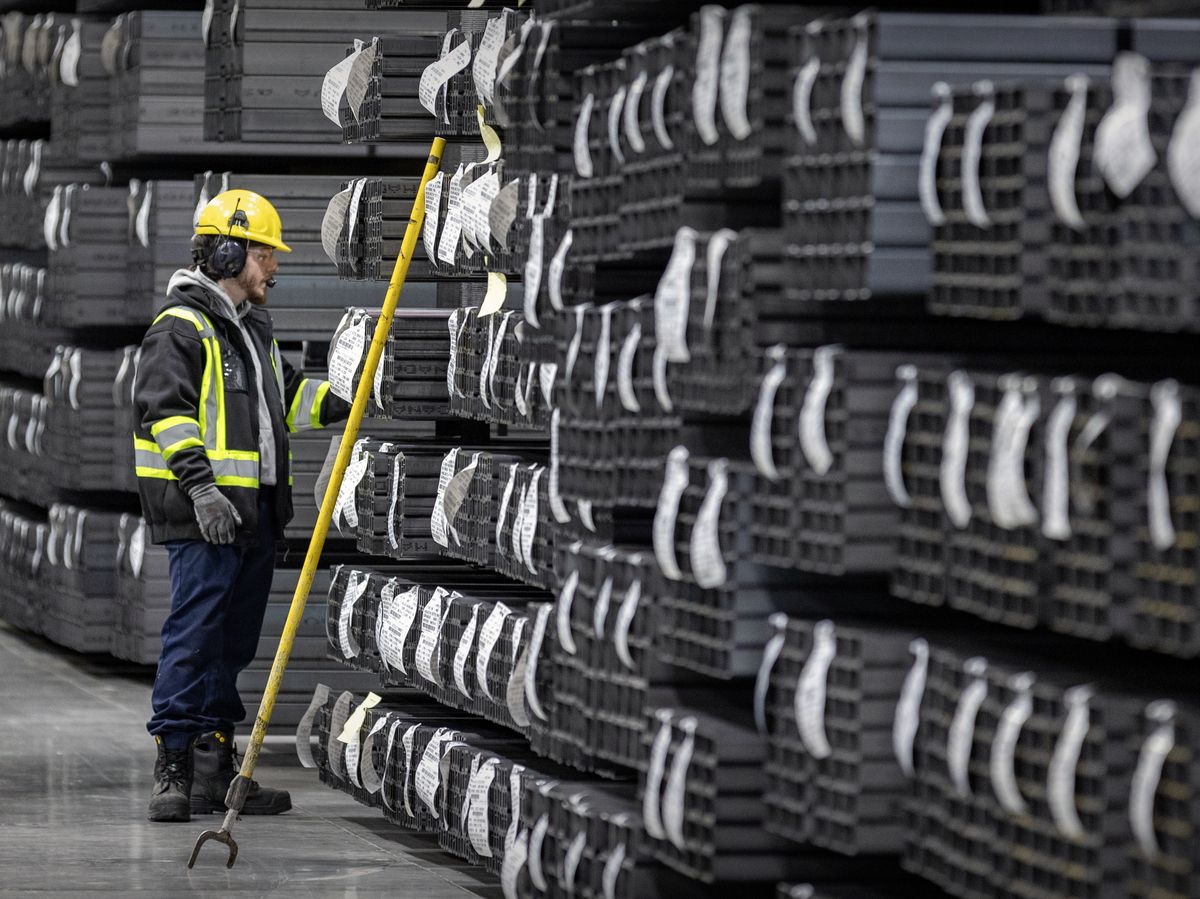
Canadian steel
, aluminum and motor vehicles. Retaliatory tariffs also remain in place on nearly $60-billion worth of U.S. goods, although some carveouts have been announced by the federal government.
The governor said the impact of these tariffs on inflation has proven to be complicated, with additional firmness in consumer price index (CPI) data in April, when measures of core inflation began heating up.
Headline inflation came in at 1.7 per cent, but it came in closer to 2.3 per cent when you don’t account for the consumer carbon tax removal, above what the central bank expected. At the same time, a slowdown in Canadian exports is putting a drag on economic growth.
“But if tariffs are not removed, we expect they will be passed on through consumer prices,” he said. “These economic impacts underline the importance of a new trade deal with the United States.”
How quickly the costs are passed on from businesses to consumers will depend on demand and inflation expectations. Macklem said a slowdown in the economy will soften demand, but tariffs also give companies something to blame for higher prices.
“That may make it easier for them to pass on the cost of tariffs,” he said. “And higher inflation expectations could also make it easier because people won’t be surprised to see higher prices.”
Macklem used the 2018 tariff conflict with the first
Donald Trump
administration to illustrate how tariffs could be passed onto consumers. At the time, there was a 10 per cent retaliatory tariff on final goods, which remained in place for just under a year.
“During that conflict, the pass-through from price increases to consumer goods was high, but incomplete,” he said. “If the current tariffs and counter tariffs remain in place, past experience suggests pass-through of about 75 per cent of the costs of tariffs over roughly a year and a half.”
In the first quarter of this year, Canadian goods exports surged by 10 per cent as businesses pushed out their inventories to beat the tariffs being imposed by the U.S. However, this momentum has faded, with Canadian exports to the U.S. dropping by more than 15 per cent in April.
“This reflects both the payback from the first-quarter surge and the fact that tariffs are making Canadian goods more expensive in the United States,” Macklem said. “In April, exports of steel and aluminum products fell 11 per cent and 25 per cent, respectively, and motor vehicle exports were down almost 25 per cent.”
Canadian businesses have, however, shown a willingness to find new trade destinations for their products, with exports and imports rising from countries other than the U.S. Still, nearly two million Canadian jobs rely on product exports to the U.S.
In May, the unemployment rate hit seven per cent, the highest it’s been since 2016. Macklem said employment in trade-sensitive sectors has declined since the beginning of the year, with manufacturing jobs down by 55,000 since January.
However, employment in other sectors has held steady for now, but he warned that the labour market usually responds with a lag.
“Final domestic demand was soft in the first quarter, and if tariffs and uncertainty were to continue, households and businesses will likely remain cautious,” he said. “If demand stays soft, at some point, more businesses will cut jobs.”
Moving forward, Macklem said the governing council agreed that further rate cuts will be needed to help a slowing economy and deteriorating labour market if inflation remains contained.
“The recent progress toward a new trade deal is encouraging, and we are following developments closely,” he said. “We are all invested in the future of the trade relationship between Canada and the United States.”
• Email: jgowling@postmedia.com
Bookmark our website and support our journalism: Don’t miss the business news you need to know — add financialpost.com to your bookmarks and sign up for our newsletters here.
Bank of Canada governor warns consumer prices will rise if tariffs not lifted
2025-06-18 16:24:23