

Canada is on the verge of an investment “supercycle” and its trade war with the United States might be the perfect time to make the bold changes needed to unlock it, according to a new report from Toronto-Dominion Bank.
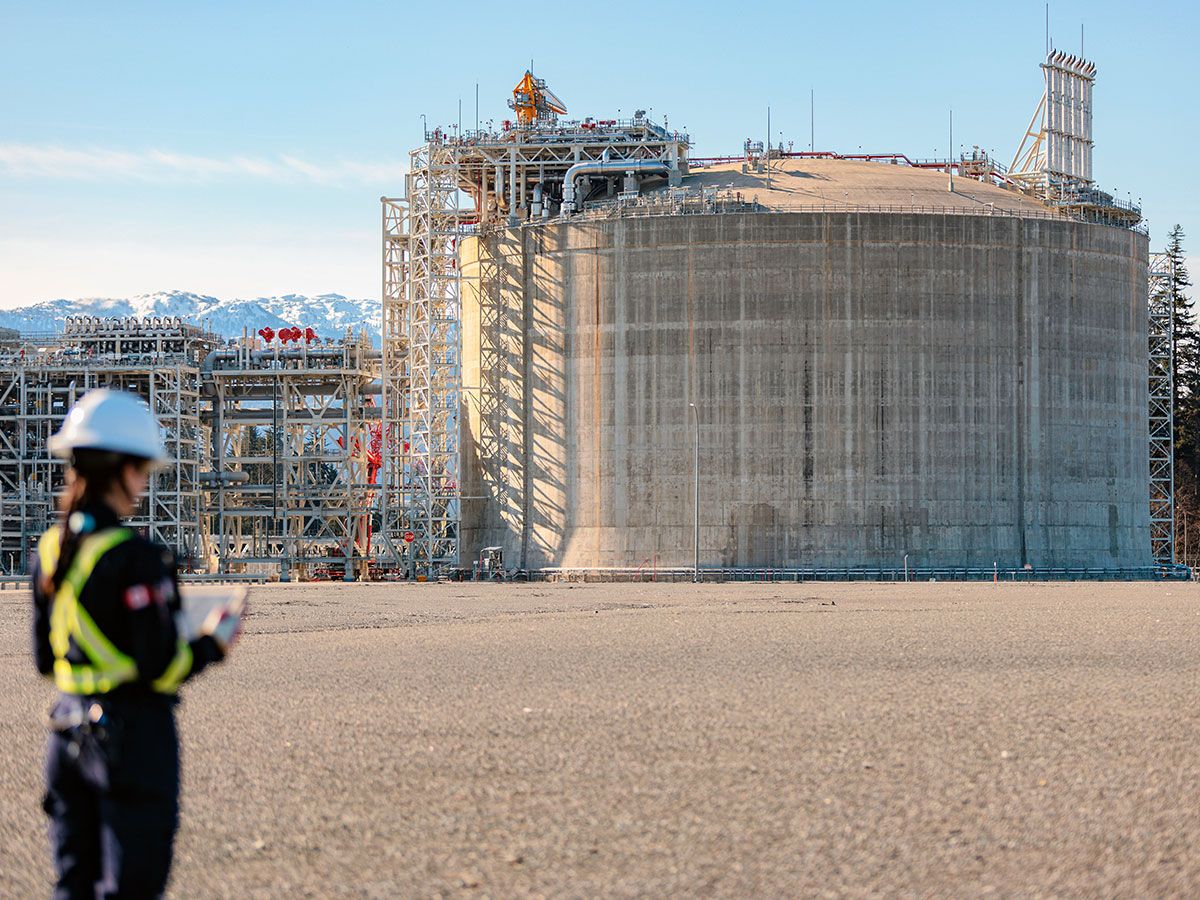
The bank forecasts Canada’s growth in real gross domestic product (GDP) will double by 2027, but notes there is a lot of “upside potential” for the future as many of the federal government’s big investments — data centres, pipelines and transportation infrastructure — are expensive and will take years to complete.
“If governments can pair this ambition with a stronger competitiveness agenda, the investment backdrop can accelerate on its own accord, attracting and deploying private funds with fewer commitments from government coffers,” the report by TD economists Beata Caranci and Derek Burleton said.
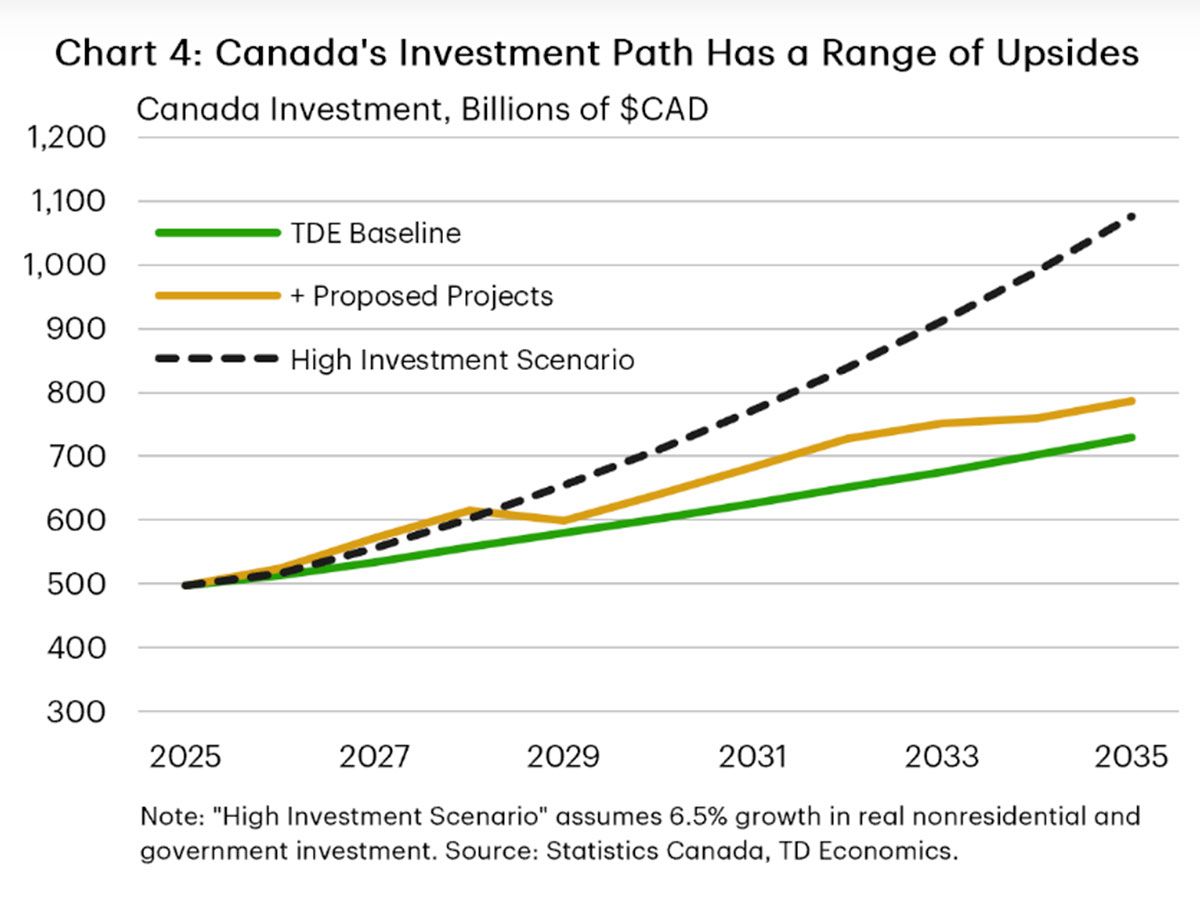
With about $1 trillion in major projects already underway, TD Bank argues that if Canada is successful in getting these off the ground and completed smoothly, it could then attract more private investment and in turn more major projects. In this scenario, the bank said Canada could trigger a “self-reinforcing feedback loop” that could last more than a decade.
To get there, however, TD Bank argues the country needs to lower regulations for major projects, eliminate tax disincentives and expand Canada’s skilled labour capacity.
“If policymakers get it right and lean more heavily into creating a pro-competitive environment, the investment outlook could be in for a series of upgrades that defies recent history,” the report said.
Now is also the perfect time to act, the economists say. Canada’s trade war with the U.S. has emphasized its need to change how it operates and by attracting more investment, the country could become less reliant on the U.S.
“The U.S.-Canada trade dispute is a compelling reason for Canada to pull the levers that are fully within its control,” the report said. “This means prioritizing the creation of a competitive ecosystem across the nation, including trade diversification through infrastructure expansion.”
This investment feedback loop would also have everyday benefits for Canadians. TD argues a multi-year investment boom would help with Canada’s sagging productivity, boost income for Canadians and increase government revenue.
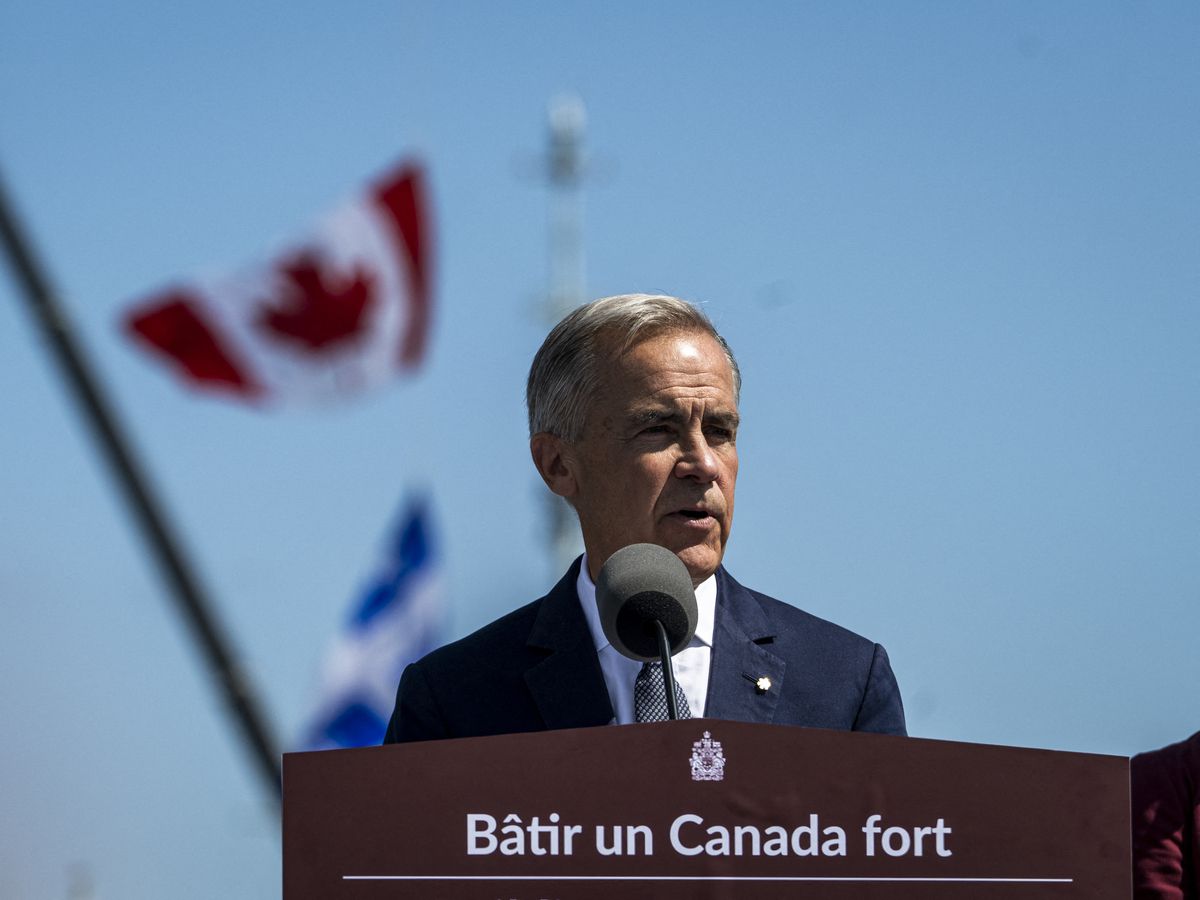
This report comes as Prime Minister Mark Carney is hoping to drum up billions in private investment for the economy. His government is hosting the first-ever Canada Investment Summit in September, which is meant to convene global business leaders to pitch them on investing in Canada.
“Canada has what the world wants,” Carney said in a news release back in April. “We’re an energy superpower, with the most educated workforce in the world and rock-solid fiscal strength. The first-ever Canada Investment Summit will capitalize on those advantages to help drive billions in new investments into Canada.”
Sign up here to get Posthaste delivered straight to your inbox.

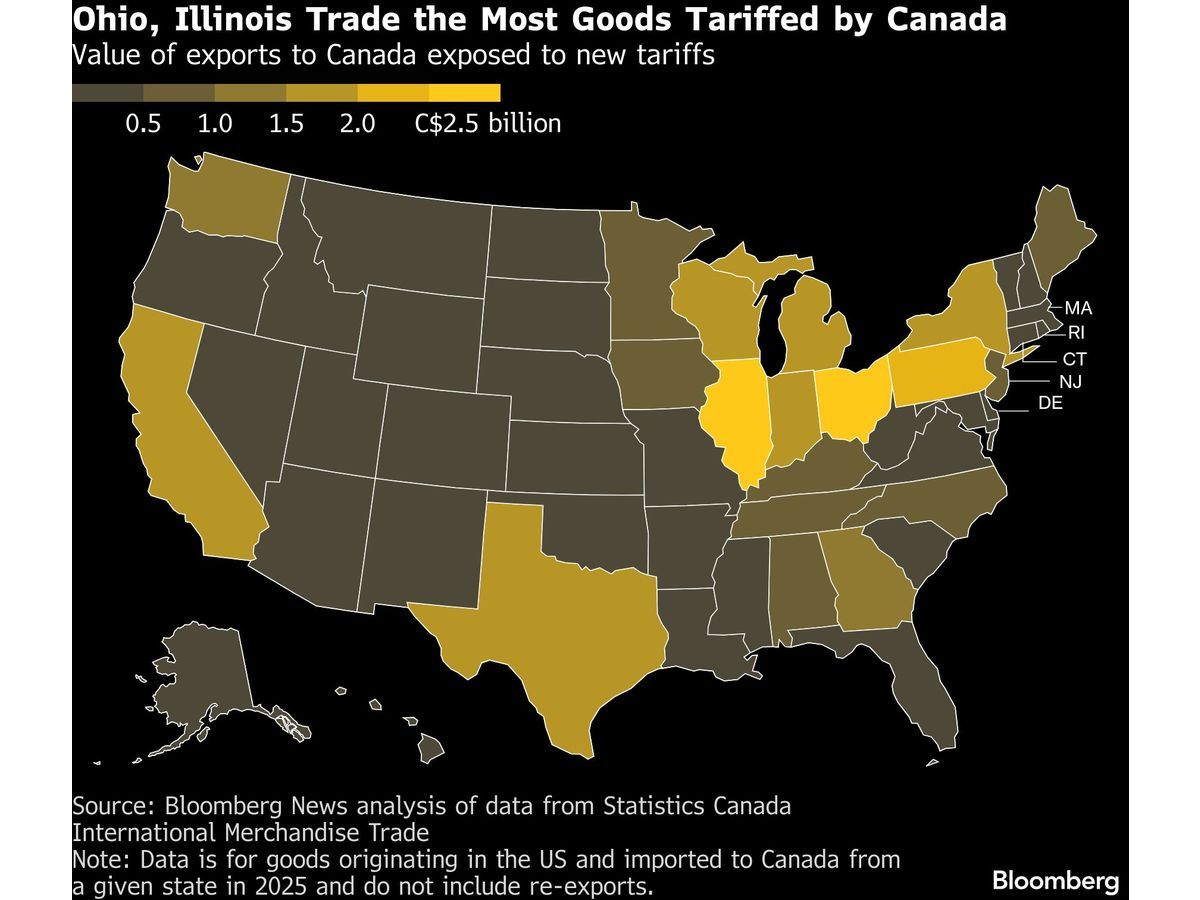
Canada announced this week that it is slapping counter-tariffs on more than 700 U.S. products in retaliation for the new set of import taxes from Washington.
The Canadian tariffs, which start on Sept. 8, will apply to about $27.6 billion worth of American imports, including U.S. steel, aluminum, furniture, golf clubs, milk and clothing.
Most of the items on Canada’s list, which is over 100 pages long, will face tariffs of 25 per cent or 50 per cent.
Today’s chart shows which states will be hit the hardest by the new duties. Read more

- U.S. Federal Reserve Chair Kevin Warsh delivers his address at Jackson Hole economic symposium at 10 a.m.
- Data: Canadian GDP for July, machinery and equipment price index
- Earnings: Laurentian Bank of Canada, Chase Holdings Ltd., Frontline PLC



- RBC tops expectations on strength in capital markets, commercial banking
- How an either-or passive versus active stock market investing strategy can impair your portfolio
- Saskatchewan to put 50% tax on U.S. booze in tariff retaliation
- Canada removes U.S. seafood from counter-tariffs, citing feedback

Penalties for missing the tax filing deadline can really add up if they’re not dealt with promptly. Late fees escalate the longer they drag on and arrears interest compounds daily. Still, taxpayers have options for relief, including asking the CRA to waive the fees. Find out more from tax expert Jamie Golombek
 Interested in energy? The subscriber-only FP West: Energy Insider newsletter brings you exclusive reporting and in-depth analysis on one of the country’s most important sectors. Sign up here.
McLister on mortgages
Want to learn more about mortgages? Mortgage strategist Robert McLister’s Financial Post column can help navigate the complex sector, from the latest trends to financing opportunities you won’t want to miss. Plus check his mortgage rate page for Canada’s lowest national mortgage rates, updated daily.
Financial Post on YouTube
Visit the Financial Post’s YouTube channel for interviews with Canada’s leading experts in business, economics, housing, the energy sector and more.
Today’s Posthaste was written by Ben Cousins with additional reporting from Financial Post staff and Bloomberg.
Have a story idea, pitch, embargoed report, or a suggestion for this newsletter? Email us at posthaste@postmedia.com .
Bookmark our website and support our journalism: Don’t miss the business news you need to know — add financialpost.com to your bookmarks and sign up for our newsletters here
Posthaste: How Canada could trigger the biggest investment ‘supercycle’ in decades
2026-08-28 12:00:25