


Canadian sectors already reeling from United States tariffs now have to contend with a hit from Canadian counter-levies, possibly resulting in a “double tariff shock,” says a new report by Desjardins Group.
“Our analysis confirms that several manufacturing sectors will face a double shock,” Florence Jean-Jacobs, principal economist at Desjardins, said in the report on Sept. 8, the day Canadian counter-tariffs on $28-billion worth of the U.S. imports came into effect.
The measures were in response to additional U.S. duties targeting a similar dollar value of exports from Canada that were imposed on Aug. 22, after trade talks between the two countries broke down.
Canada’s manufacturing sector, already targeted by earlier and ongoing U.S. tariffs on autos, steel and aluminum and pulp and paper, continues to be the most vulnerable to the escalating trade war .
Several new sub-industries have been affected by the new 50 per cent U.S. tariffs under Section 338, including chemicals, machinery, electrical, computer and electronic products, plastics and rubber, textiles and alcoholic beverages.
The report said electrical, equipment, appliances and components worth $12.8 billion in annual exports to the U.S., textiles, clothing and related products worth $3.3 billion and computer and electronic products worth $11.5 billion are predicted to take a hit on both tariff fronts.
Jean-Jacobs said the tariff “double whammy” will also affect plastics and rubber products worth $18.1 billion, furniture and related products worth $4.8 billion and alcoholic beverages worth $1.3 billion, though the latter sector is mostly vulnerable due to glass and metal containers it needs.
The list of affected products in other sectors that had previously been targeted by the U.S. is expanded under Sector 338 as well. For example, plywood, more machinery and jewelry and sporting goods — such as hockey sticks — were added to miscellaneous manufacturing.
On the Canadian side, the counter-tariffs were aimed at U.S. exports, including steel and aluminum, dairy products, household appliances, agricultural equipment, pulp and paper, plastics and electronics.
Jean-Jacobs said “very few” food items fell under the retaliatory tariffs, though some products will be hit, including whey powder, granulated milk and cream, honey and molasses, as well as mixes and doughs used in bakery production. But she said businesses ought to be able to source those products from domestic producers.
It won’t be quite so easy for others, however.
“For certain imports, the tariffs that take effect today will have more damaging consequences, because they apply to inputs that are widely used by Canadian businesses,” Jean-Jacobs said.
The wholesale and retail trade could also suffer as consumers shy away from items on the shelves sporting price increases of 25 per cent to 50 per cent, which could force companies to cut back on a wide range of U.S. products, such as personal and household goods, machinery and equipment and various consumer goods like fabrics, clothing, jewelry, sporting goods and beauty products.
Jean-Jacobs also said the construction sector could suffer given that counter-tariffs apply to “key inputs” such as heating, ventilation and air conditioning equipment, forged and stamped metal products, lighting and other household equipment and motors, turbines and power transmission equipment, some of which comes from specialized manufacturers.
“Resulting disruptions could delay projects and increase costs,” she said.
It’s not all bad news. Jean-Jacobs said counter-tariffs could protect some Canadian industries, such as steel. It already faced 50 per cent U.S. tariffs prior to Aug. 22, so demand had fallen off. As a result, production slowed, but capacity still remains, so Canadian importers could switch to domestic producers unless they required specialty items only produced on the other side of the border or are affected by the shipping distances between Canada’s east and west coasts.
Jean-Jacobs said companies in the double-tariff crosshairs will have their work cut out for them when looking to diversify in Canada and abroad while also looking for alternative suppliers.
“Despite the turmoil, the current situation presents an opportunity to take further steps toward a less U.S.-dependent economy and greater economic resilience,” she said.
Sign up here to get Posthaste delivered straight to your inbox.

Canada imposed tariffs of 15 per cent to 50 per cent on hundreds of products from the U.S. on Tuesday, as Prime Minister Mark Carney bets that standing up to U.S. President Donald Trump will eventually help Ottawa’s negotiating position with its biggest trading partner.
Carney’s government increased the import tax on many U.S. steel items to 50 per cent from 25 per cent, and applied tariffs to a range of consumer goods — motorcycles, cosmetics, cheese and more — at 12:01 a.m. New York time.
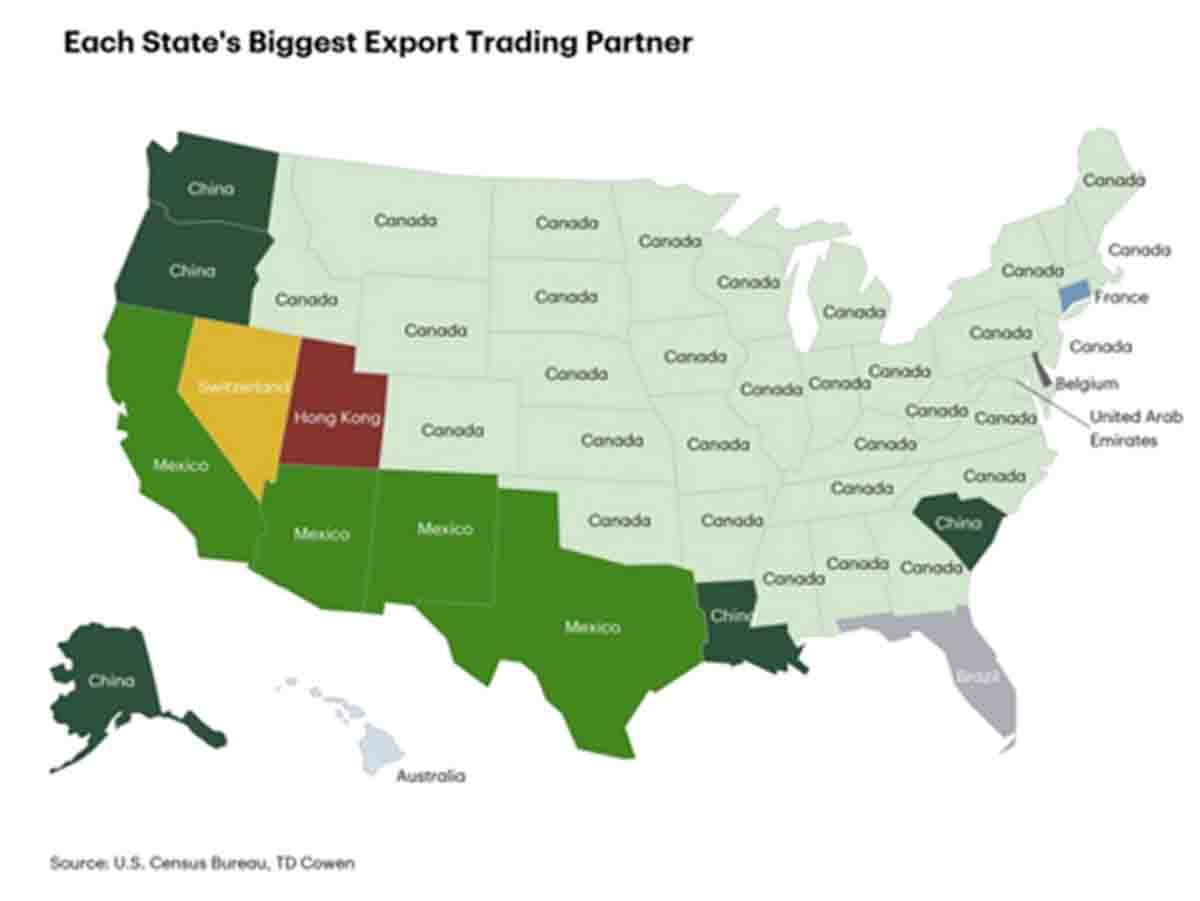
The measure will hit U.S. exporters particularly hard in states such as Michigan and Ohio that do a lot business with Canada and host heated races in November’s midterm elections. — Bloomberg
Read the full story here.
Plus: ‘Fighting for our life’: Canadian businesses reel from U.S. tariff shock

- Bank of Nova Scotia holds its 27th annual financials summit.
- Today’s Data: U.S. mortgage applications, weekly employment change
- Earnings: Transcontinental Inc., D2L Inc., American Eagle Outfitters



- CPP research says global pension giants find gaps in Canada’s ‘investibility’ ahead of summit
- Canada’s tax policy is rotting from underneath. Here’s how to fix it in the upcoming budget
- Consolidation in one of Alberta’s hottest oil plays: Tamarack, Headwater merge in $10-billion deal

The Department of Finance has run a string of stakeholder meetings and consultations over the summer ahead of the next budget. The government’s language frames the coming budget around growth, trade diversification, investment, competition and what it calls economic sovereignty. Read between the lines: Finance wants big ideas, and it wants them to sound bold. But Kim Moody argues that Canada’s tax system needs more than just catch-phrase changes, it needs systemic reform. Read more.
 Interested in energy? The subscriber-only FP West: Energy Insider newsletter brings you exclusive reporting and in-depth analysis on one of the country’s most important sectors. Sign up here.
McLister on mortgages
Want to learn more about mortgages? Mortgage strategist Robert McLister’s Financial Post column can help navigate the complex sector, from the latest trends to financing opportunities you won’t want to miss. Plus check his mortgage rate page for Canada’s lowest national mortgage rates, updated daily.
Financial Post on YouTube
Visit the Financial Post’s YouTube channel for interviews with Canada’s leading experts in business, economics, housing, the energy sector and more.
Today’s Posthaste was written by Gigi Suhanic with additional reporting from Financial Post staff and Bloomberg.
Have a story idea, pitch, embargoed report, or a suggestion for this newsletter? Email us at posthaste@postmedia.com .
Bookmark our website and support our journalism: Don’t miss the business news you need to know — add financialpost.com to your bookmarks and sign up for our newsletters here
Posthaste: Tariff 'double whammy' headed straight for these Canadian businesses, report says
2026-09-09 12:00:13