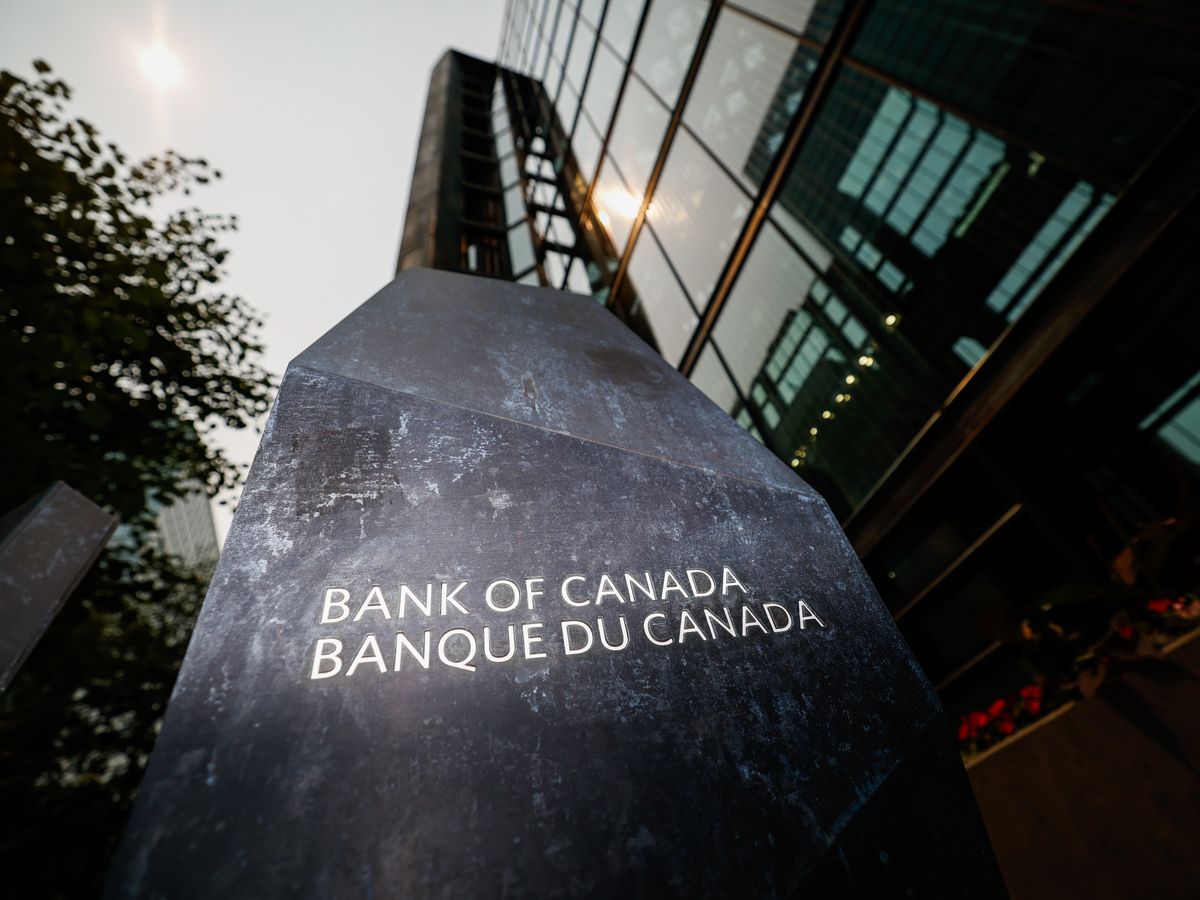

Canadian economists largely expect the Bank of Canada to keep its overnight rate at 2.25 per cent for the rest of the year, but what policymakers might do in 2027 is less clear as the trade war muddies the country’s economic outlook.
The central bank is scheduled to announce its overnight rate on Wednesday, five days after Statistics Canada said the economy grew at a 3.3 per cent annualized rate in the second quarter.
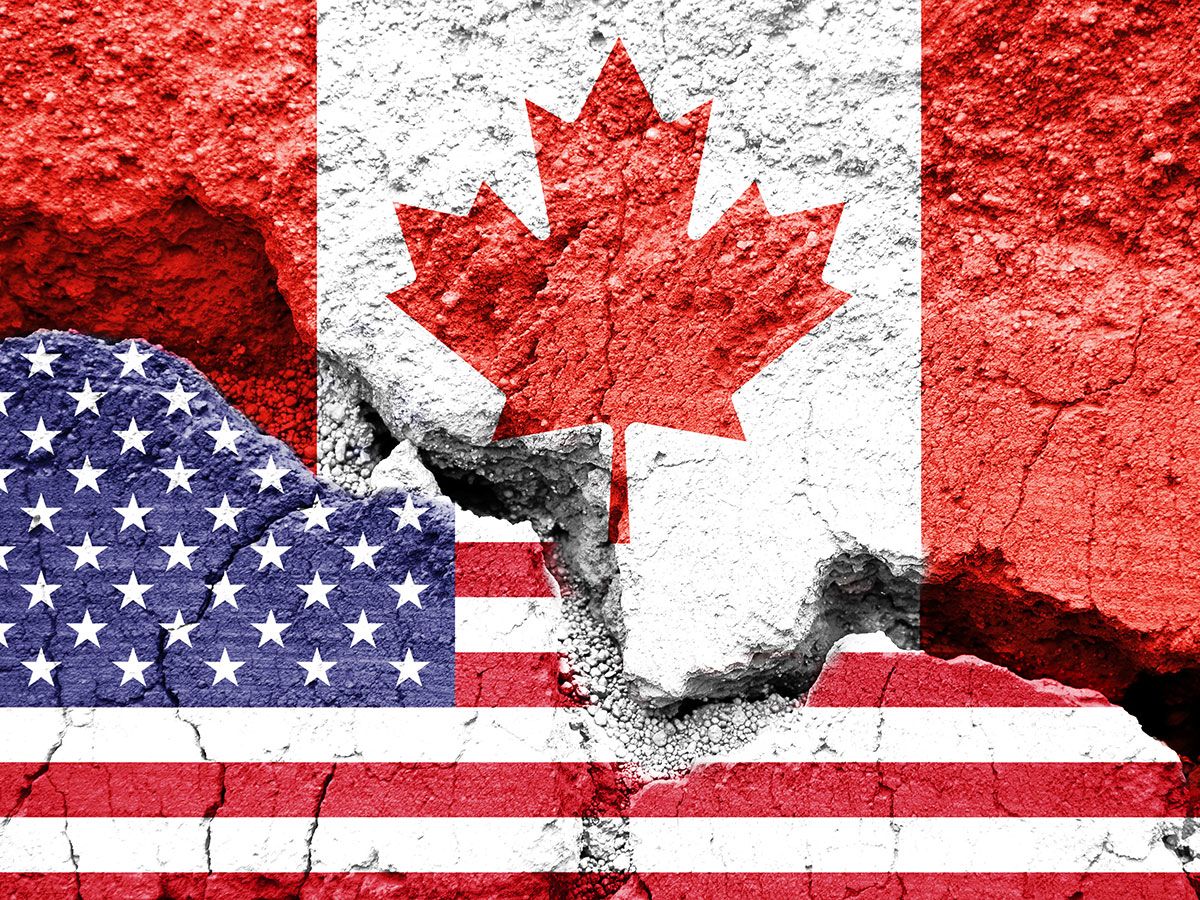
The decision also comes after the federal government announced a broad list of counter-tariffs in response to United States President Donald Trump ’s Section 338 tariffs , which were implemented on Aug. 22 after trade talks between the two countries broke down.
Economists expect the central bank to hold the current overnight rate at least until the end of the year, according to updated forecast tables from National Bank of Canada, RBC Economics, TD Economics, BMO Capital Markets and Desjardins Group.
Members of the C.D. Howe Institute’s Monetary Policy Council (MPC) also unanimously called for the central bank to hold rates.
Jeremy Kronick, chief executive of the C.D. Howe Institute, said there was an argument for rate hikes before trade negotiations broke down because Canada’s economic data looked strong. Inflationary pressures that came from the global oil price shock hadn’t spread to other sectors and core inflation remained relatively anchored at two per cent.
However, he said the re-escalation of the Iran war has raised the risk that inflation could remain elevated for longer and will start to feed through to other consumer goods and services. The escalation of the U.S.-Canada trade dispute also jeopardized market access to the U.S. while threatening business investment and employment.
“Ultimately, the uncertainty from the breakdown in trade discussions is just too much, and it outweighs any of the other economic data,” he said.
Economists, however, were split on whether the central bank will cut or hike rates next year.
Eight of the nine MPC members said the Bank of Canada should hold the overnight rate at 2.25 until March 2027, while the remaining member recommended a hike to 2.5 per cent. Looking ahead to September 2027, three members called for an increase to 2.75 per cent.
Kronick said members were worried that if the trade uncertainty drags on, it could trigger a “huge structural change” to the Canadian economy that lowers its potential output, raising the risk of a period of weak economic growth alongside elevated inflation.
Some members who voted for a rate hike next year said their recommendations relied on the assumption that Canadian and American trade representatives would return to the negotiating table and reach a deal, he said.
“That was a bit of a discussion point here as folks looked ahead. I find it hard to believe that potential would shrink that much,” he said. “To me, the downside risk is greater at this point to the actual economy.”
Taylor Schleich and Ethan Currie, strategists at National Bank of Canada, said if U.S. and Canadian negotiators reach an agreement soon, the uncertainty will be resolved and allow the economy to sustain its recent momentum.
“This could still see the output gap closed over coming quarters, consistent with hikes in early 2027,” they said in a rate preview note on Monday.
However, they said the central bank could cut rates next year if the trade war and economic uncertainty drag on.
The central bank cut its key interest rate to 2.75 per cent from three per cent in March 2025 due to heightened trade tensions that threatened to slow economic activity before cutting it to 2.25 per cent in October 2025.
Bank of Canada governor Tiff Macklem has previously said a cut to the key interest rate may be needed to support growth if the U.S. imposes significant new trade restrictions. He also said monetary policy needs to be nimble as uncertainty remains elevated.
“If the trade war intensifies further and the economy again stalls, we may be in for a similar response and timeline,” Schleich and Currie said.
“Clearly, the rate path is fluid and therefore the (Bank of Canada) will refrain from committing to a particular trajectory. This fresh uncertainty further reduces the odds of near-term action in either direction as the BoC awaits data showing the impact of tariffs on inflation and the economy.”
• Email: ptran@postmedia.com
Bank of Canada expected to hold interest rates steady, but renewed trade war muddies economic outlook
2026-09-01 10:00:35