

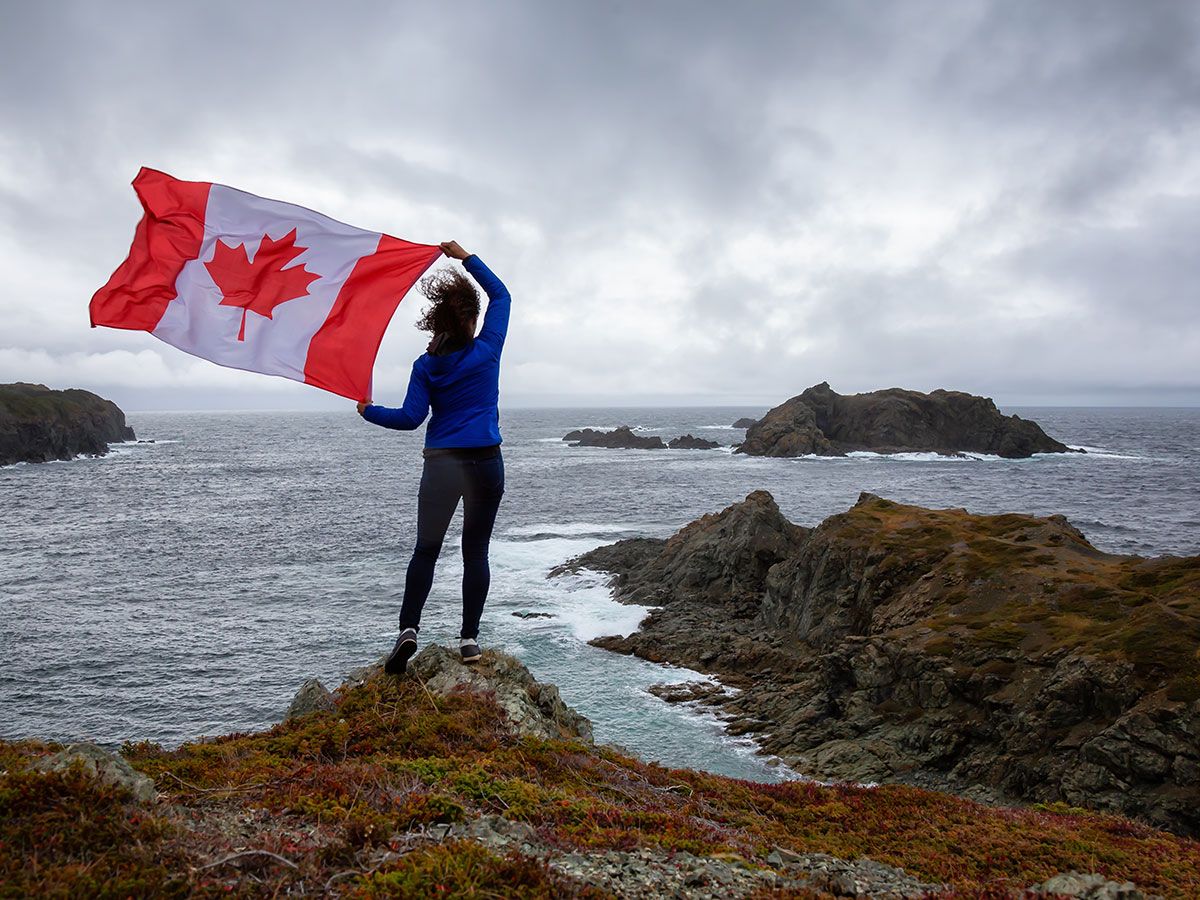

The winds of fortune are blowing in Newfoundland and Labrador ‘s favour these days, according to provincial forecasts.
Economists expect gaps to widen even further between the performance of provinces as tariffs, export bans and higher energy prices create a divide between those that produce commodities and those that manufacture goods.
Newfoundland and Labrador tops the chart of TD Economics provincial forecasts. Its estimated 4.5 per cent growth in real gross domestic product far exceeds the next highest contender, Alberta, where GDP is expected to reach 2.3 per cent.

The province has several things going for it. Oil and gas extraction , about a fifth of its GDP, is up almost 18 per cent this year from last at a time when crude prices are soaring amid the Iran war, said TD.
“The production surge is providing a significant boost to exports, corporate profits and government revenues,” said the report.
Mining activity has also been picking up, especially in gold with the expansion of the Valentine mine, the largest in Atlantic Canada. At the same time about 70 per cent of the province’s merchandise exports go to markets other than the United States — the highest share of any province — so it is sheltered from the escalating trade war.
At the other end of the economic scale is Quebec, where the 0.5 per cent GDP growth forecast is the lowest in the country.
This manufacturing province, along with Ontario, has borne the brunt of Donald Trump’s trade war and just as conditions were starting to improve, its economy was hit “disproportionately” by new U.S. tariffs and export bans, the economists said.
“The economy was entering this shock from a weaker starting point than the rest of Canada,” said the report.
The province has lost 30,000 jobs so far this year and hiring remains weak. Meanwhile, inflation at 3.1 per cent is eroding wage gains. Amid these conditions, economists expect households to turn cautious.
Not that everything is rosy in Newfoundland and Labrador, the economists say.
Underneath the eye-popping headline growth, the domestic economy is less robust, which is why TD estimates GDP gains will slow to 1.2 per cent in 2027 and 0.7 per cent in 2028.
The population has shrunk for the past two quarters in a row and TD expects that to continue, keeping employment growth weak. These trends should dampen consumer spending, which is already among the lowest in the country.
There are, however, some durable sources of growth within the province’s grasp.
The Bay du Nord offshore oil project could potentially bring in $12 billion of capital investment and extend offshore production into the next decade. A final investment decision is expected in 2027.
The new agreement to develop the hydroelectric potential of the Churchill River in Labrador and other transmission projects promise billions in investment and will strengthen the province’s role as clean energy provider, said TD.
Sign up here to get Posthaste delivered straight to your inbox.
Canada has been enjoying an economic rebound, but maybe not for long.
Bank of Canada governor Tiff Macklem warned Monday that new U.S. tariffs and the conflict in the Middle East could derail that recovery and slash growth by half in the fourth quarter to below one per cent.
Read the full story here.
- Earnings: AutoZone Inc.
- Bank of Canada governor warns new tariffs could cut fourth-quarter growth in half
- How Canada’s 50% whey tariff is backfiring on Canadian protein makers
- Canadian oil and gas industry on track for biggest dealmaking boom in a decade, analysts say
Small cap stocks can be volatile and risky, but when things go well, they can go really well. Investing pro Peter Hodson takes a look at the performance of five small-cap stocks, including a Canadian winner that is up 590 per cent this year and a U.S. winner, up 304 per cent. Read more here
Interested in energy? The subscriber-only FP West: Energy Insider newsletter brings you exclusive reporting and in-depth analysis on one of the country’s most important sectors. Sign up here.
McLister on mortgages
Want to learn more about mortgages? Mortgage strategist Robert McLister’s Financial Post column can help navigate the complex sector, from the latest trends to financing opportunities you won’t want to miss. Plus check his mortgage rate page for Canada’s lowest national mortgage rates, updated daily.
Financial Post on YouTube
Visit the Financial Post’s YouTube channel for interviews with Canada’s leading experts in business, economics, housing, the energy sector and more.
Today’s Posthaste was written by Pamela Heaven with additional reporting from Financial Post staff and Bloomberg.
Have a story idea, pitch, embargoed report, or a suggestion for this newsletter? Email us at posthaste@postmedia.com .
Bookmark our website and support our journalism: Don’t miss the business news you need to know — add financialpost.com to your bookmarks and sign up for our newsletters here
Posthaste: This province is expected to lead the pack by a mile this year — and no, it's not Alberta
2026-09-22 11:55:38
