

This month marks the year anniversary of
Donald Trump’s
Liberation Day, when the U.S. President launched a trade offensive against the world.
On April 2, 2025, Trump
imposed tariffs
on dozens of nations, sharply raising the U.S. average effective tariff rate.
His stated objective was to rebuild domestic manufacturing, reduce the U.S. trade deficit and “make America rich again.”
A year later, in a review of the impacts of this “historic trade upheaval,” Ethan Currie, economist with National Bank of Canada, finds the initiative has fallen short on all of those fronts.
The United States collected over US$340 billion from tariffs over the past 12 months, a 230 per cent increase from the year before, but recently that revenue has decelerated, said Currie.
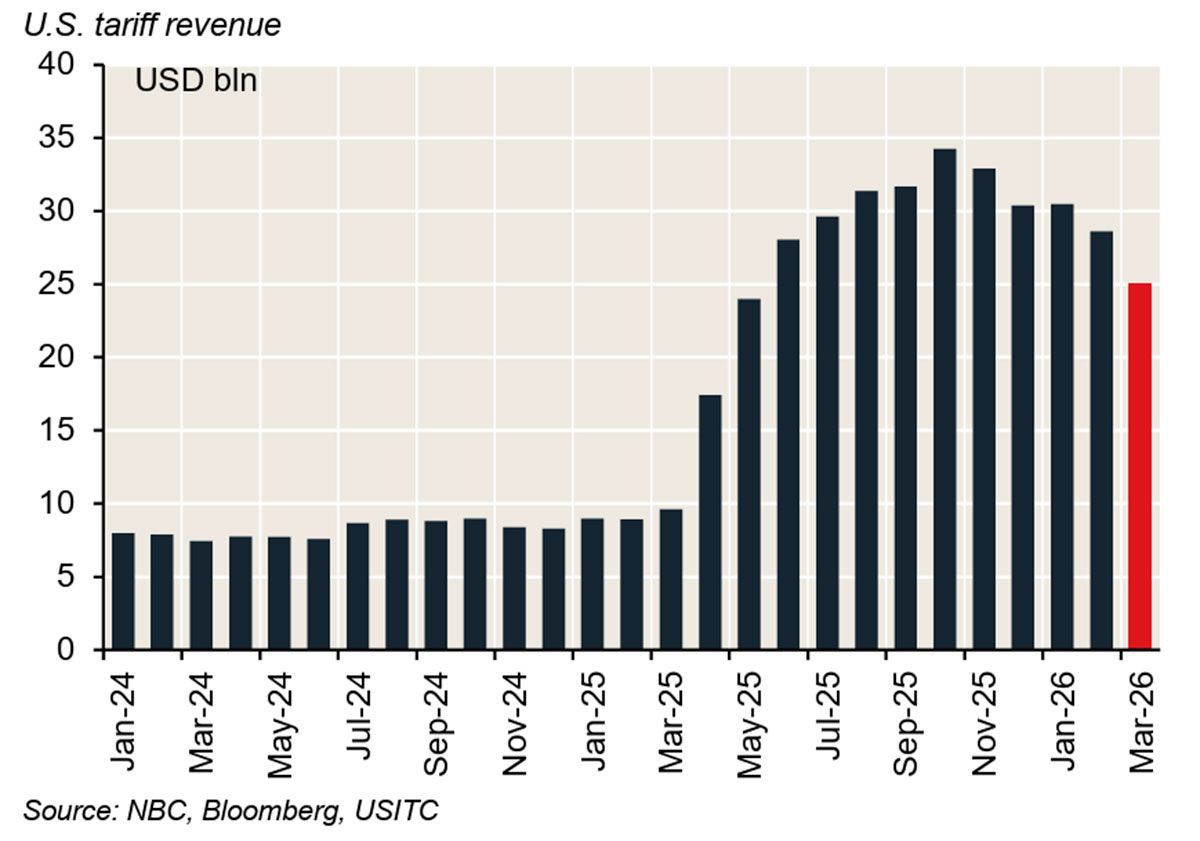
Trump lost his main tariff tool in February when the
Supreme Court ruled
the President did not have the authority under the International Emergency Economic Powers Act (IEEPA) to impose them.
With the Liberation Day tariffs ruled invalid, the United States now faces having to pay up to US$175 billion in refunds.
Add to this the price tag of the ongoing Iran war estimated at US$36 billion per month and America’s shaky finances are under even more pressure, said Currie.
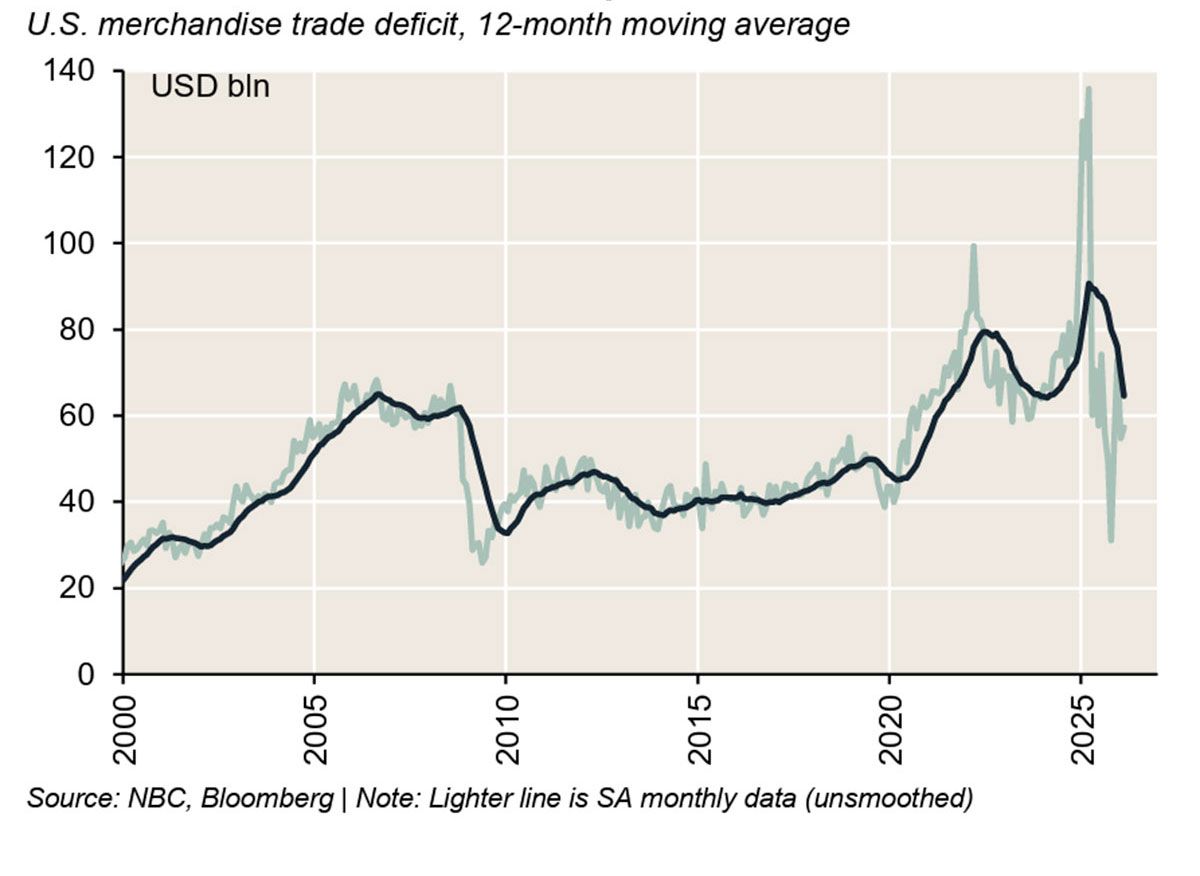
Nor has the
U.S. trade deficit
improved much, he said. In fact it widened in February by almost five per cent as goods imported into the country rose to an almost year high.
Gauging progress on industrial reshoring takes time, but Currie said a range of indicators suggest tariffs are not delivering their intended results.
Manufacturing has shed 120,000 jobs over the past 14 months, only posting a gain in January of this year. Weakness in the sector can also be seen in business and consumer readings and Purchasing Managers’ Index (PMI) surveys, he said.
“One year on, many corners of the U.S. economy appear far from liberated by White House standards,” said Currie.
The trade war, however, has left “visible scars” on Canada,
said Douglas Porter,
chief economist at BMO Capital Markets.
Job growth has stalled over the past year and manufacturing output has dropped 4 per cent in the past three months. Canadian exports to the U.S. have plunged to 66.4 per cent, down 10 percentage points.
Still Canada’s economy has “managed to keep its head above water,” showing moderate gains to start this year, he said.
And despite the serious wobble in stock markets directly after Liberation Day, the TSX has soared 30 per cent since then.
Sign up here to get Posthaste delivered straight to your inbox.

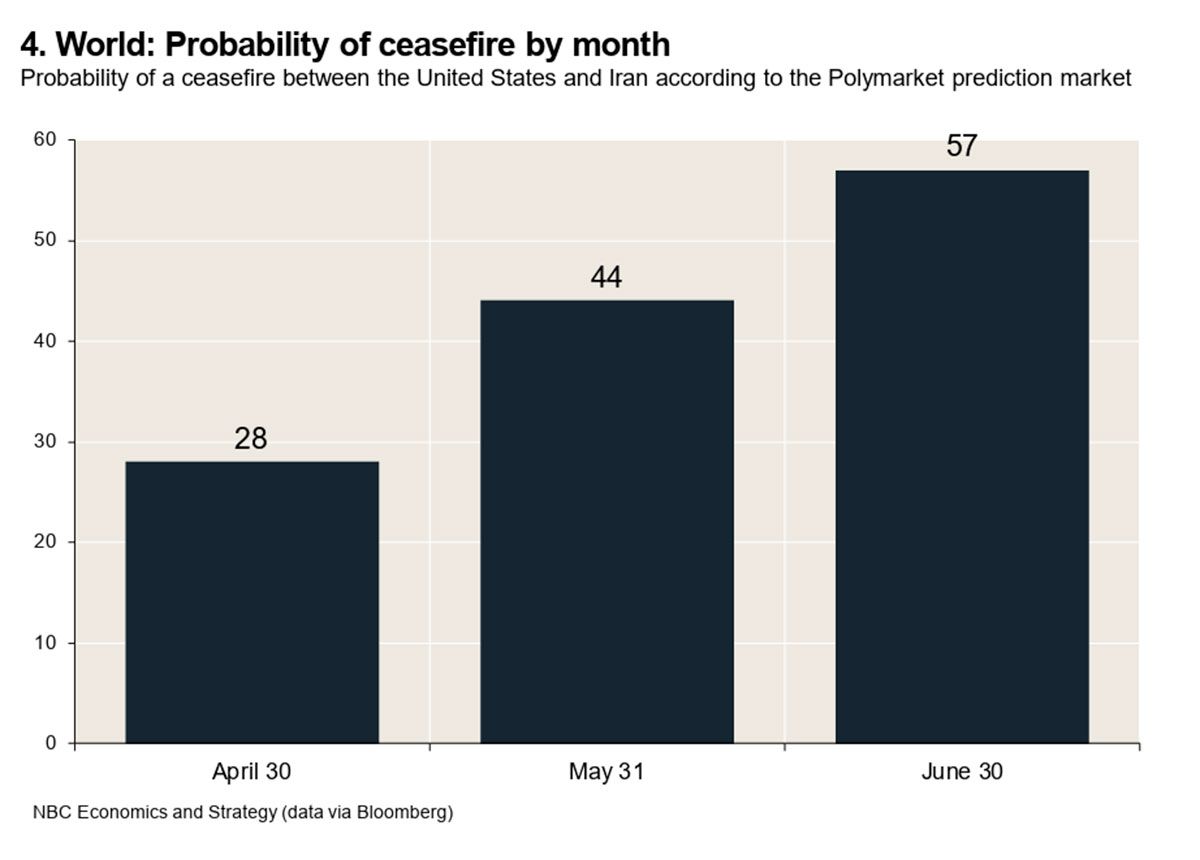
Uh-oh, we may have to wait longer for an end to the war in the Middle East if the prediction market is any indication. National Bank of Canada’s chart shows the biggest odds on Polymarket right now are on a ceasefire not coming until the end of June.
The outlook for everything from oil prices to the global economy hinges on when the war ends. Now in its 39th day, the longer the conflict continues, the more damage is done.
Three more months of war could send Brent crude oil prices to US$200 a barrel, and push the global economy toward recession, Macquire Group Ltd. said in a note to clients.

- Today’s Data: United States durable goods, consumer credit
- Earnings: Exxon Mobil Corp.


- What’s behind Chip Wilson’s proxy war with Lululemon
- Markets are in ‘double black diamond’ territory where a bad decision at the wrong moment can take you out of the game
- With housing prices flat, the high cost of moving has never been more clear

The spring housing market is here, and with it a temptation to move, but before you pull the trigger on a purchase, it is worth stepping back and considering a long-range plan for how many times you will buy and sell homes in your lifetime. Financial Post columnist Garry Marr takes a look at the transaction costs that come with real estate that you need to consider.
Find out more

Interested in energy? The subscriber-only FP West: Energy Insider newsletter brings you exclusive reporting and in-depth analysis on one of the country’s most important sectors.
Sign up here.
McLister on mortgages
Want to learn more about mortgages? Mortgage strategist Robert McLister’s
Financial Post column
can help navigate the complex sector, from the latest trends to financing opportunities you won’t want to miss. Plus check his
mortgage rate page
for Canada’s lowest national mortgage rates, updated daily.
Financial Post on YouTube
Visit the Financial Post’s
YouTube channel
for interviews with Canada’s leading experts in business, economics, housing, the energy sector and more.
Today’s Posthaste was written by Pamela Heaven with additional reporting from Financial Post staff, The Canadian Press and Bloomberg.
Have a story idea, pitch, embargoed report, or a suggestion for this newsletter? Email us at
posthaste@postmedia.com
.
Bookmark our website and support our journalism: Don’t miss the business news you need to know — add financialpost.com to your bookmarks and sign up for our newsletters here
Posthaste: One year in, no sign that Trump is winning the tariff war
2026-04-07 12:13:05