
Surging
gas prices
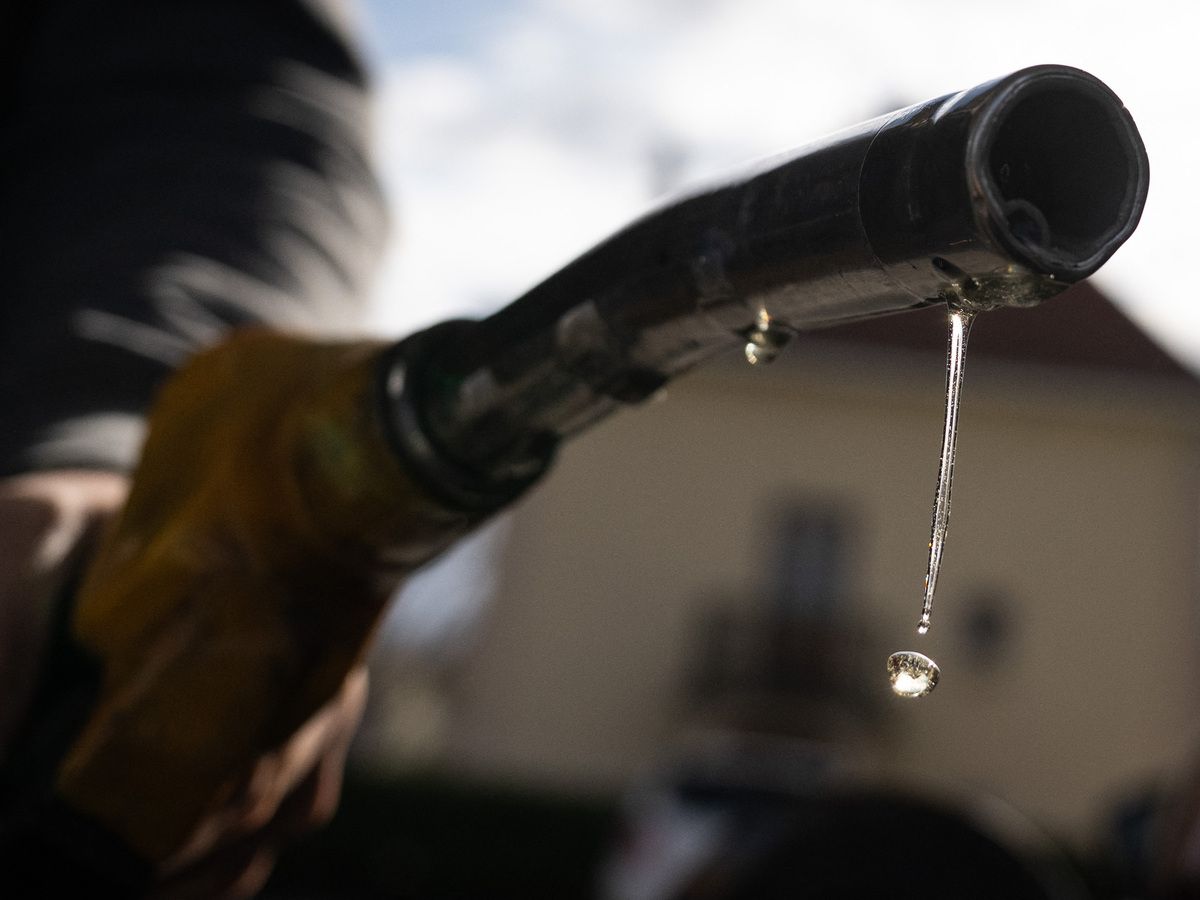
from the war in the Middle East are hitting consumers on both sides of the border, but it’s Canadians who will feel the pain at the pumps more than their American neighbours, says one economist.
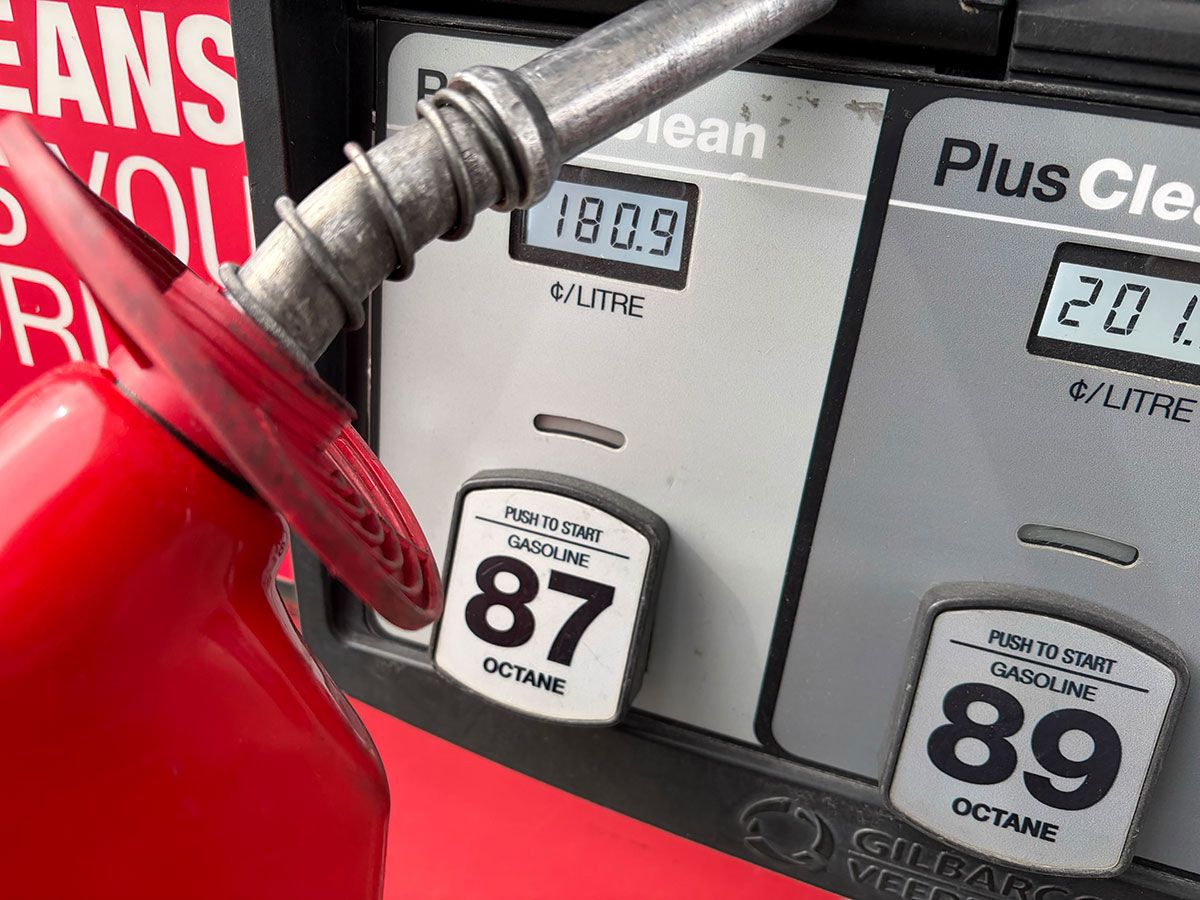
Gas prices topped US$4 a gallon this past week in the U.S., while prices in some areas of Canada climbed over $2 a litre — the highest in four years.
It was the largest monthly increase in fuel prices on record going back 40 years, said Sal Guatieri, senior economist at BMO Capital Markets.
No matter what President
Donald Trump
says about the U.S. not needing Middle East oil, the price of crude is set at a global level, which means energy prices in North America are heading higher along with the rest of the world.
This unexpected new expense will erode spending power on both sides of the border, said Guatieri. Gasoline and other fuels make up 2 per cent of personal consumption in the U.S. so if higher prices continue Americans will be spending US$1,000 a year more on fuel that they would have been spending on other things that make the economy go round. Canadians face similar pressures.
West Texas Intermediate
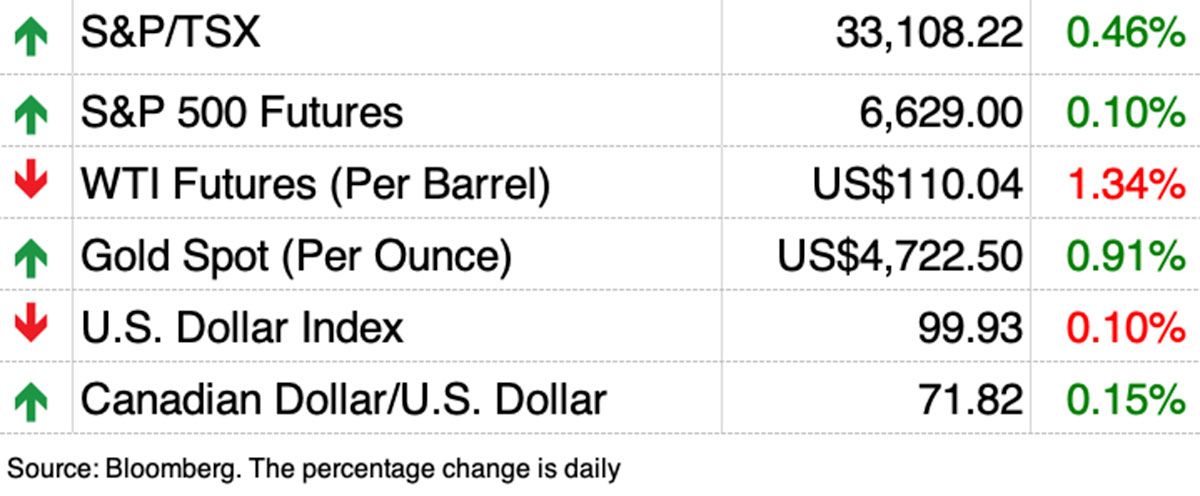
was trading at US$110.64 this morning, and most analysts agree that
oil at US$150
is the trigger point for an economic downturn or even recession. With rising energy prices lifting inflation, central banks would be hard pressed to help.
Canadians are likely to feel the pressure of rising energy costs more than Americans, said Guatieri.
On less sound financial footing, Canadians’ wallets are already tight, with consumer spending lagging their neighbours to the south.
Job growth in both countries is weak, but disposable incomes are rising faster in the U.S. because of personal tax cuts, he said.
Canadians also on average carry a
heavier debt burden
. At the end of last year they spent 14.6 per cent of their disposable income on interest payments, near a record high.
That’s compared to the 11.3 per cent spent by American households on interest, which is below long-run norms, said Guatieri.
“More money poured down the gas tank is money that could have been spent on vacations, restaurants, and entertainment for higher-income households, and on food, shelter and clothing for lower-income earners,” he said.
“While U.S. households might be better suited than Canadian consumers to face this new shock, both will pull back sharply in a worst-case scenario for the Iran war.”
Sign up here to get Posthaste delivered straight to your inbox.

Canada’s
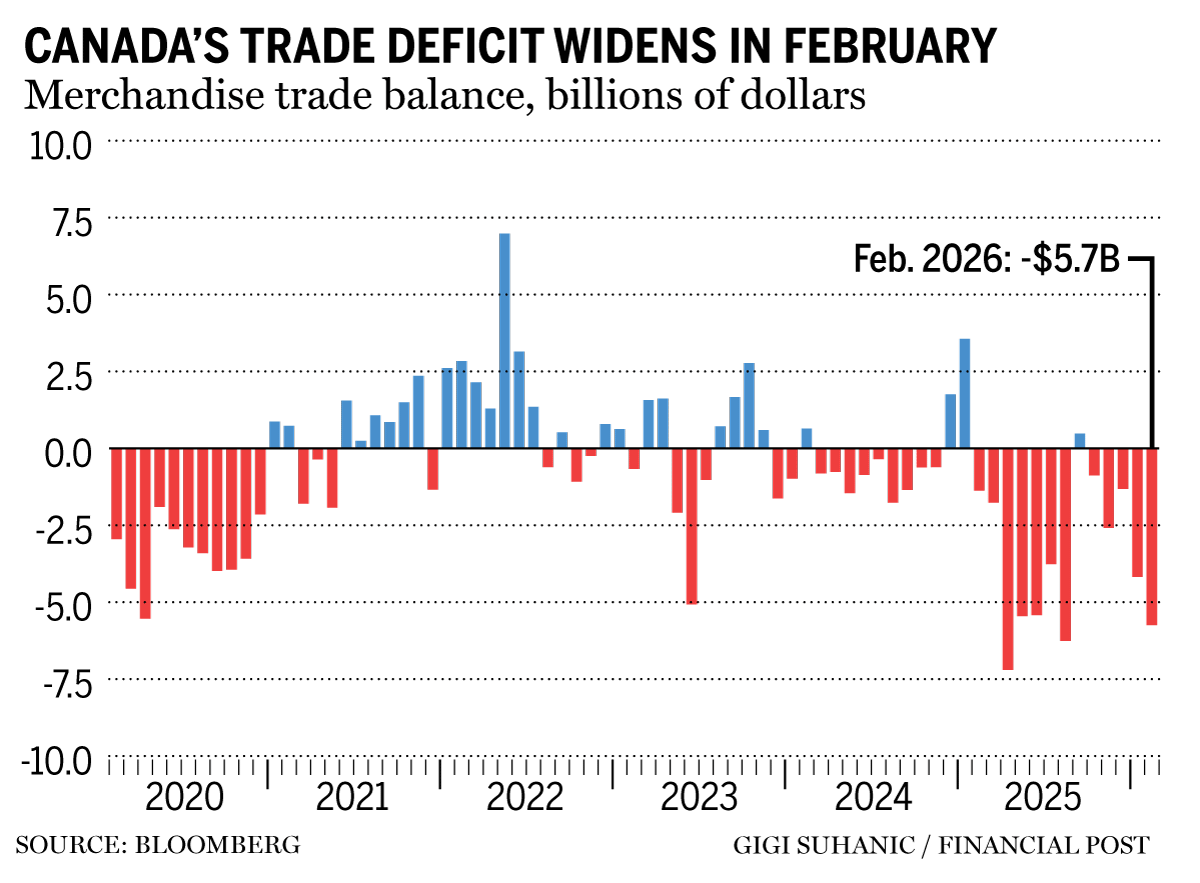
trade deficit ballooned
to $5.7 billion, its largest since August last year as imports hit a record high, boosted by shipments of gold.
Imports rose 8.4 per cent to $72.1 billion in February while exports climbed 6.4 per cent to $66.3 billion, the highest level since March 2025.
Canada’s trade surplus with the U.S., however, shrank to $1.7 billion, the smallest surplus since the height of the pandemic in 2020. Trade with countries other than the U.S. reached a record high, up over 10 per cent.

- Today’s Data: Canada’s S&P Global Services PMI


- Why Canada’s housing crisis is a productivity crisis, too
- Pain at the gas pumps? That’s nothing compared to the damage this fuel shock can do
- A report card on the energy MOU between Ottawa and Alberta

Volatility is normal, panic is optional. 5i Research CEO Ryan Modesto offers five things investors should keep in mind when it feels like the market is losing it.
Read more

Interested in energy? The subscriber-only FP West: Energy Insider newsletter brings you exclusive reporting and in-depth analysis on one of the country’s most important sectors.
Sign up here.
McLister on mortgages
Want to learn more about mortgages? Mortgage strategist Robert McLister’s
Financial Post column
can help navigate the complex sector, from the latest trends to financing opportunities you won’t want to miss. Plus check his
mortgage rate page
for Canada’s lowest national mortgage rates, updated daily.
Financial Post on YouTube
Visit the Financial Post’s
YouTube channel
for interviews with Canada’s leading experts in business, economics, housing, the energy sector and more.
Today’s Posthaste was written by Pamela Heaven with additional reporting from Financial Post staff, The Canadian Press and Bloomberg.
Have a story idea, pitch, embargoed report, or a suggestion for this newsletter? Email us at
posthaste@postmedia.com
.
Bookmark our website and support our journalism: Don’t miss the business news you need to know — add financialpost.com to your bookmarks and sign up for our newsletters here
Posthaste: Why Canadians will feel the squeeze of soaring gas prices more than Americans
2026-04-06 12:03:12