

Canada’s productivity keeps falling further behind the United States, but a lagging food sector might be the biggest issue.
Labour productivity as a whole fell 0.1 per cent in the fourth quarter of 2025, but was up 1.1 per cent for the year,
according to Statistics Canada
. In the U.S., however, productivity climbed 2.8 per cent in the fourth quarter and 2.2 per cent for the year.
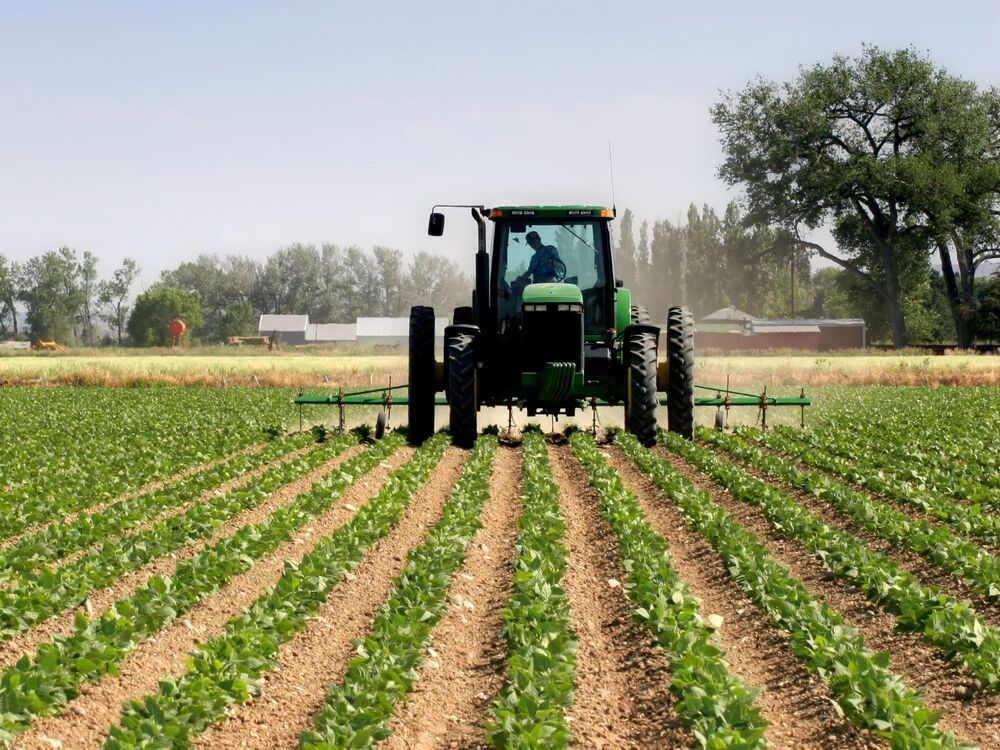
The gap is even deeper in the food sector, where U.S. productivity climbed 10.1 per cent, compared to a decline in Canada, according to a Canadian Food Innovation Network (CFIN) report.
CFIN said Canada should focus on building up the supply chain locally, instead of shipping raw products outside the country.
For example, the report said Canada is the world’s largest producer of dried peas, but 88 per cent of them have been shipped elsewhere as a raw commodity.
On top of boosting productivity, CFIN said a stronger homegrown supply chain would help Canada’s resilience to tariffs and disruptions from global crises.
“With so much of the supply chain’s middle located outside of Canada, the food system is exposed to every tariff, currency swing and natural disaster that the last five years have made routine,” the report said.
Food inflation
has climbed 22 per cent since 2022, with the
Bank of Canada
largely pointing to import costs. Food prices are expected to climb even further, with estimates suggesting that the U.S. war on Iran could drive grocery prices up another 15 per cent if higher oil prices are sustained.
“When disruption hits an undercapitalized food sector with minimal domestic processing and little operational flexibility, the cost has nowhere to go but to the consumer,” the report said. “That is the system Canada has now.”
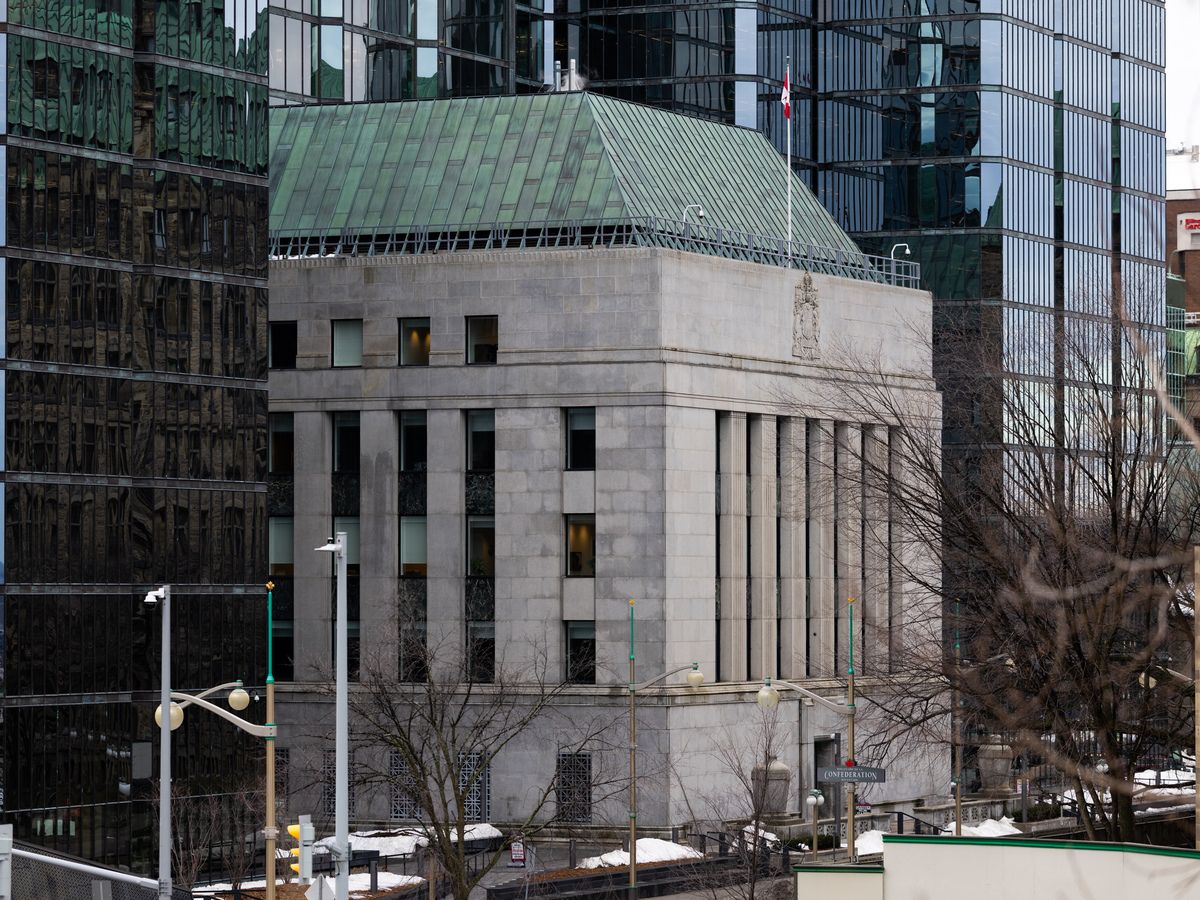
Slow productivity is nothing new for Canada’s economy since it has consistently fallen over the past five decades. The productivity gap between Canada and the other G7 nations has progressively widened since the 2000s, according to the Bank of Canada.
In November,
the Bank of Canada said
the country should upgrade infrastructure, foster healthy competition among major Canadian companies and support workplace education to upgrade skills in a bid to boost productivity.
Sign up here to get Posthaste delivered straight to your inbox.

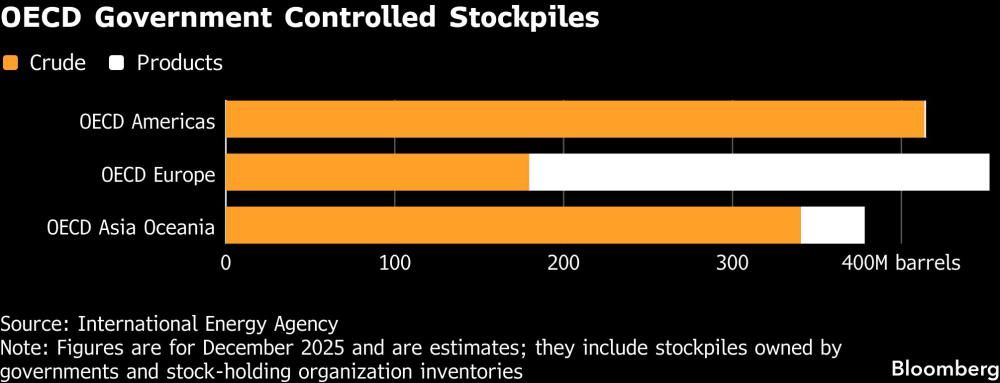
Energy ministers from the G7 countries met in Paris on Tuesday to debate possibly releasing oil reserves to stabilize markets that have been constrained by the war in Iran and the effective closure of the Straight of Hormuz.
The International Energy Agency is proposing a release of emergency oil reserves that would be the largest in its history, with a decision possible later today, a person familiar with the matter told Bloomberg.
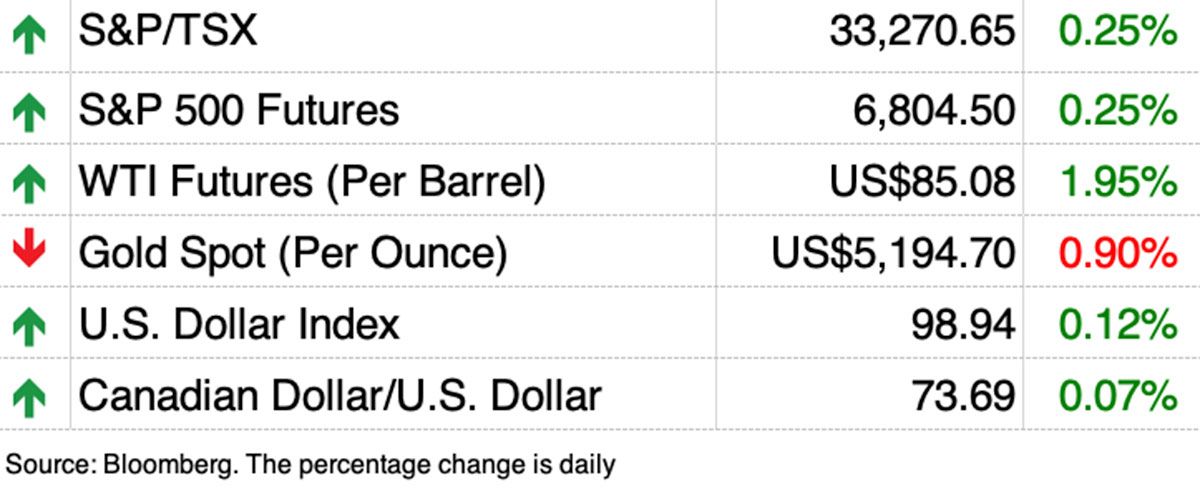
Oil prices hit a four-year high of US$120 per barrel on Monday, but have dipped since U.S. President Donald Trump hinted at an early end to the war.
There have only been five such reserve releases in history: during the 1991 Gulf War, after Hurricane Katrina in 2005, during a civil war in Libya in 2011 and twice during Russia’s invasion of Ukraine in 2022.
Read more here.

- Algoma Steel Group Inc. reports its fourth-quarter results today. The steel maker has received $500 million in government aid to ease the pressure of U.S. President Donald Trump’s tariffs.
- Canada Mortgage and Housing Corporation releases its housing supply report.
- Today’s Data: U.S. Consumer Price Index for February
- Earnings: Allied Gold Corp., Algoma Steel Group Inc.


- Expanded Trans Mountain pipeline almost doubles oil exports from Port of Vancouver
- Ontario Teachers’ Pension Plan posts 6.7% return in 2025, but misses benchmark on real estate hit
- G7 energy ministers to meet in effort to steady oil market
- Canadian travel to the U.S. down 30% in February compared with pre-tariff period, says Statistics Canada

An Ontario couple in their fifties would like to retire in two years, but the $7,000 a month they need to maintain their lifestyle is a little more than their pension incomes will provide. Should they tap into their RRSPs or apply for Canada Pension Plan (CPP) benefits?
Family Finance crunches the numbers.

Interested in energy? The subscriber-only FP West: Energy Insider newsletter brings you exclusive reporting and in-depth analysis on one of the country’s most important sectors.
Sign up here.
McLister on mortgages
Want to learn more about mortgages? Mortgage strategist Robert McLister’s
Financial Post column
can help navigate the complex sector, from the latest trends to financing opportunities you won’t want to miss. Plus check his
mortgage rate page
for Canada’s lowest national mortgage rates, updated daily.
Financial Post on YouTube
Visit the Financial Post’s
YouTube channel
for interviews with Canada’s leading experts in business, economics, housing, the energy sector and more.
Today’s Posthaste was written by Ben Cousins with additional reporting from Financial Post staff, The Canadian Press and Bloomberg.
Have a story idea, pitch, embargoed report, or a suggestion for this newsletter? Email us at
posthaste@postmedia.com
.
Bookmark our website and support our journalism: Don’t miss the business news you need to know — add financialpost.com to your bookmarks and sign up for our newsletters here
Posthaste: Canada is losing the productivity battle, even in the grocery aisles
2026-03-11 12:00:27