
The war in Iran has turned the tables on the
interest rate
outlook, with bets rising that hikes could come this year, including in Canada, where policymakers had been expected to stick to the sidelines.
“Policy expectations have ratcheted higher across the advanced economies, reflecting a sharp jump in global
inflation
fears,” Karl Schamotta, chief currency strategist at Corpay Currency Research, said in a note Monday.
Investors on Monday were 100 per cent positive that the
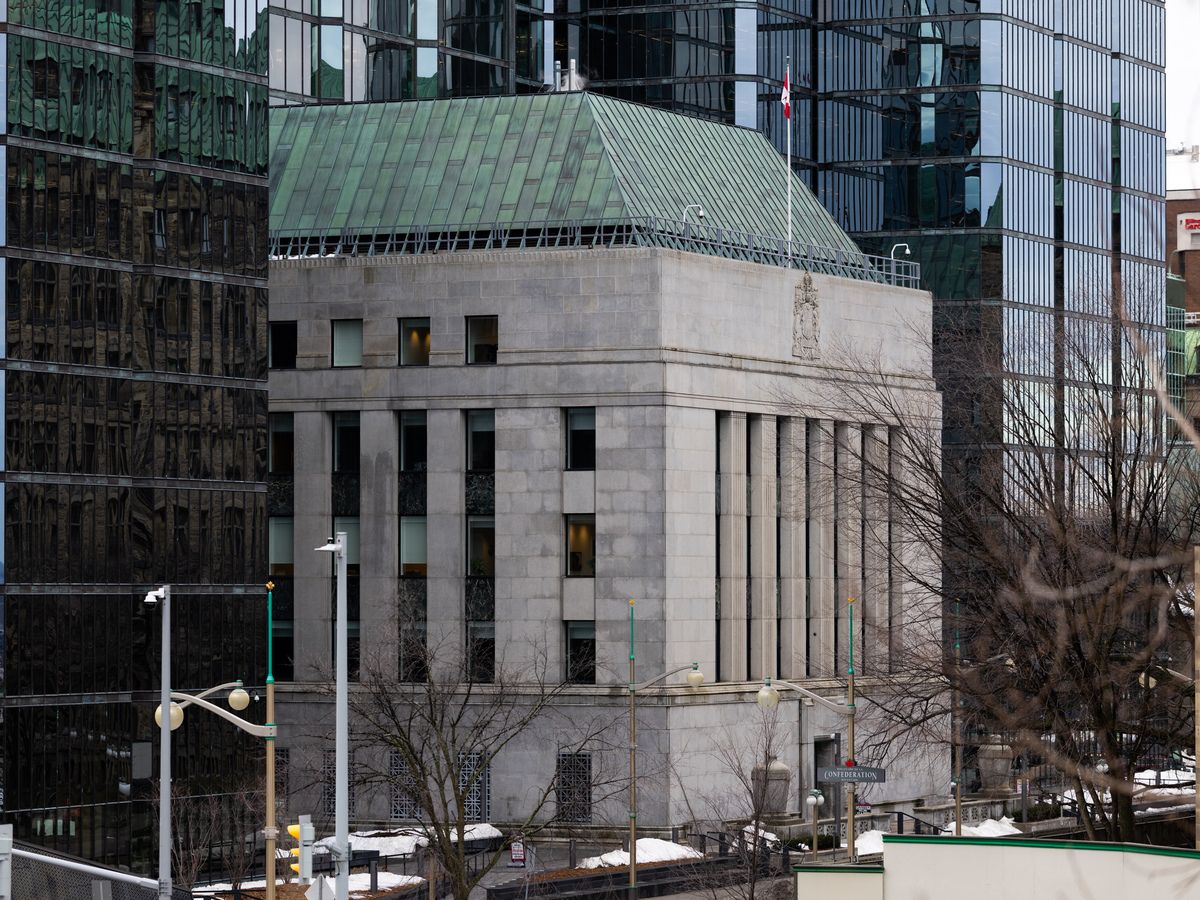
Bank of Canada
will hike interest rates at its final meeting of 2026, and bets rose to more than 50 per cent and 80 per cent for hikes at the September and October rate announcements, respectively, according to Bloomberg data.
Prior to the United States and Israel launching a war against Iran, most investors expected the Bank of Canada to continue to hold rates at their current level of 2.5 per cent into next year.
Bets are also rising that the
European Central Bank
(ECB) and the
Bank of England
(BOE) could be forced to hike interest rates, whereas prior to the war’s outbreak, the ECB was expected to remain on hold, though cuts were considered more likely at the BOE.
Soaring oil prices are fuelling those growing bets.
Prices for West Texas Intermediate, the North American crude benchmark, and Brent crude, the European benchmark, pushed past US$100 on Monday and are up 50 per cent and 45 per cent, respectively, from March 1.
Energy prices have surged to levels not seen since Russia attacked Ukraine in 2022 because of the closure of the Iranian-controlled Strait of Hormuz, which is used to transport one-fifth of the world’s sea-borne oil supply.
The risk now is that spiking oil prices could spur inflation.
Schamotta said oil above US$100 is a demand destroyer, and the resulting higher borrowing costs act as a “drag on the world economy.”
Canadian pocketbooks have already taken a hit.
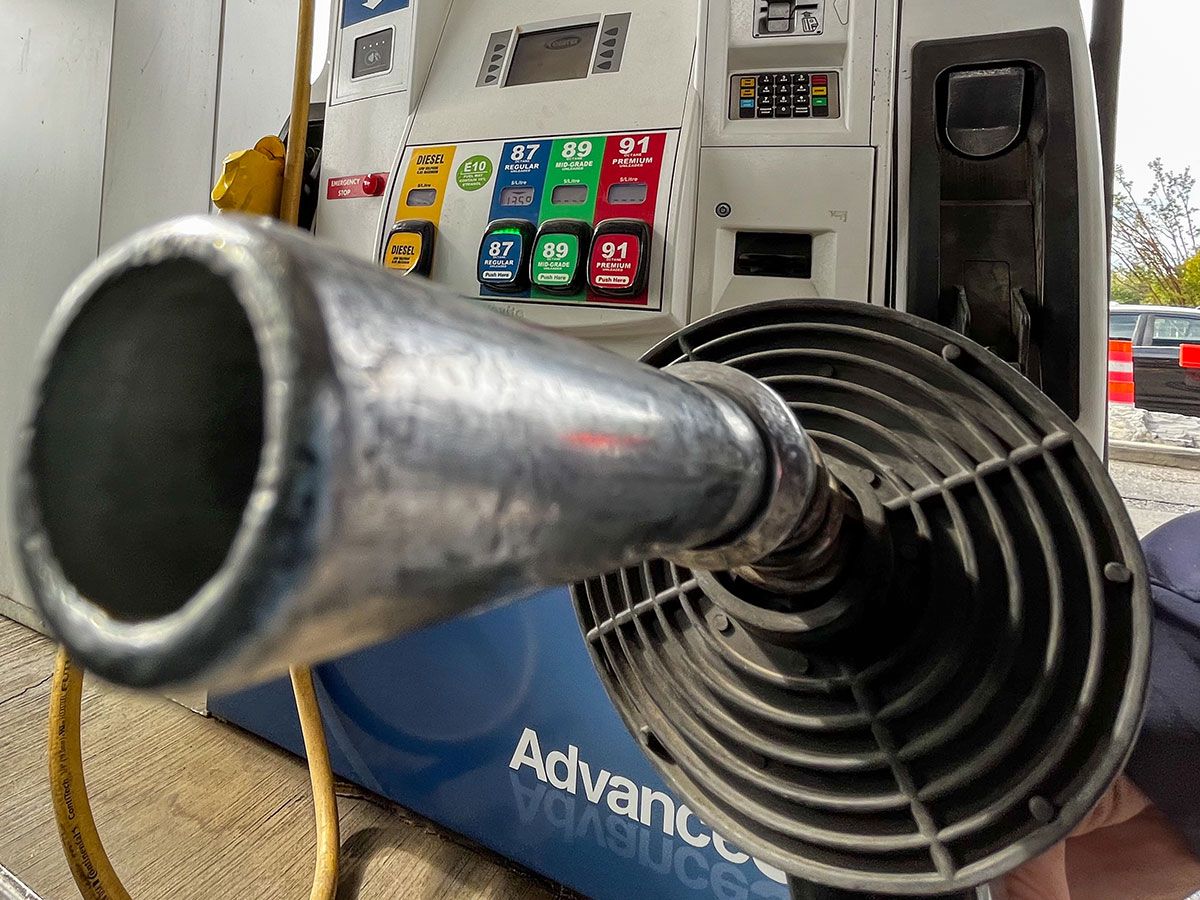
The average price of a litre of regular gasoline rose to $1.56 on Monday from $1.42 on Feb. 27, according to Kalibrate Technologies Ltd., which tracks retail and wholesale pricing in the petroleum industry.
“The spike (in oil prices) has rekindled inflation risks … and is now threatening global growth outlook,” Douglas Porter, chief economist at BMO Economics, said in a note on Friday.
Joe Brusuelas, chief economist at RSM US LLP, said the cost of energy lies at the crux of global industrial production.
“With the Strait of Hormuz effectively closed, the current shock is a problem of supply for the oil and natural gas that keep the global industrial base running,” he said in a note Monday morning.
The impact of rising oil prices is already “spreading to global transportation, manufacturing, metals and food industries,” he said. “As prices rise, consumption is affected, and, ultimately, corporate earnings erode.”
The Group of Seven finance ministers on Monday said they would take
“necessary measures” to tackle the surge in oil prices, but stopped short of agreeing on a release of strategic petroleum reserves after an emergency meeting
.
Besides inflation, some economists are worried the war could spur stagflation, which couples higher inflation with slowing growth and is “not a market-friendly combination,” Porter said.
At the moment, measures of volatility, including the VIX — also known as the fear index — spiked during the past week in part due to concerns that the U.S. appears to have no plan regarding its actions in Iran, Scamotta said.
How long the war lasts is key.
“If the warring countries reach a détente — or the (Donald) Trump administration follows its prior playbook and retreats from its regime change demands — oil prices could reset violently, unleashing a correction across fixed income and currency markets,” he said.
— with a file from The Financial Times
• Email: gmvsuhanic@postmedia.com
Here's why bets are rising for interest rate hikes including for Canada
2026-03-09 17:33:12