

President
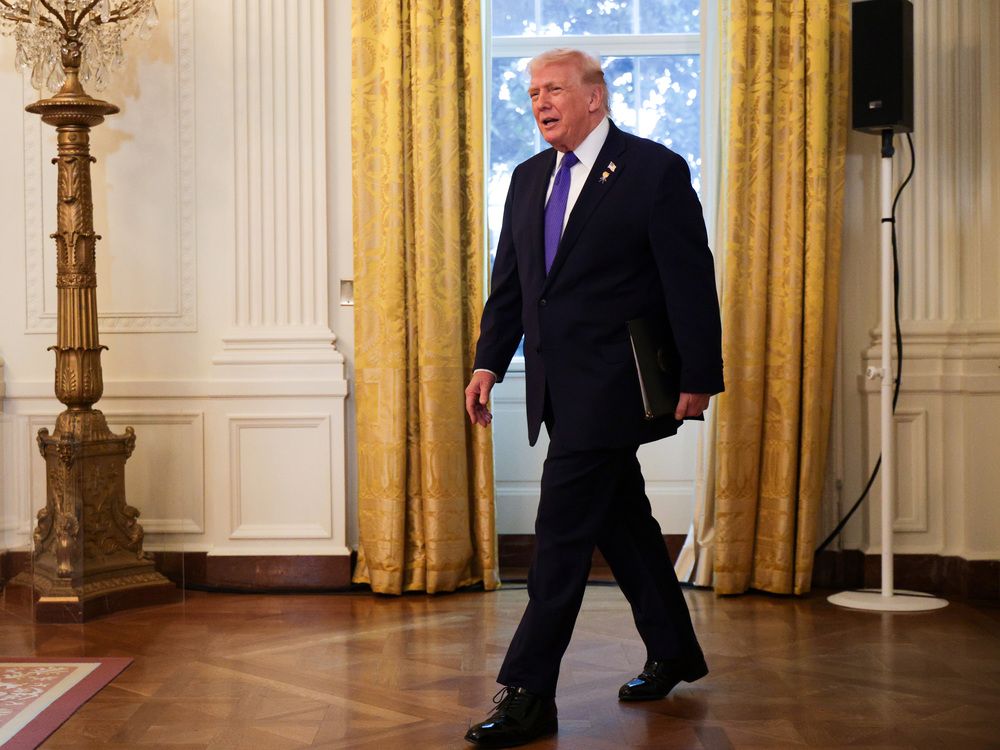
Donald Trump’s
push to rebuild
Venezuela’s oil industry
could come at the expense of producers closer to home.
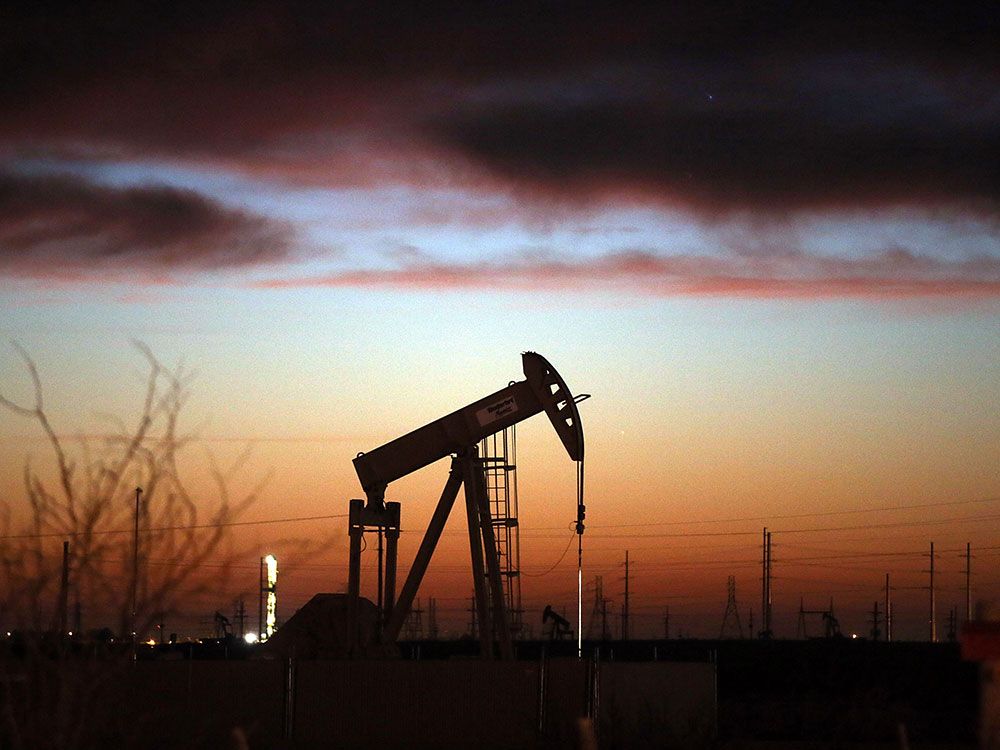
U.S. shale oil
is “at the cliff edge,” warn the commodities team at BofA Global Research, and one of the factors that could push it off that cliff is a pro-market government in Venezuela.
“With prices falling and OPEC+ adding more volumes into the market, U.S. shale oil supply growth is grinding to a halt. With U.S. shale at the cliff edge, it is all about where prices go next from here,” strategists said in a note.
Where they are likely to go is lower.
Goldman Sachs now forecasts that
West Texas Intermediate prices
will average US$52 a barrel in 2026, with prices bottoming at US$50 in the last quarter as inventories build.
BofA strategists, writing before the
U.S. raid on Venezuela
and capture of leader Nicolás Maduro, estimated that if oil averaged US$57 this year U.S. shale oil output could shrink by 70,000 barrels or 1 per cent.
“However, several downside risks could push crude oil prices and U.S. shale production substantially lower,” they said. These include peace in Ukraine, a pro-market government in Venezuela and a worsening economic outlook.
Shale oil production, which uses a technique called “fracking,” is more expensive than most other forms of extraction and drillers need WTI above US$60 to turn a profit. Producers have coped with lower prices by cutting back on drilling, though over the past decade of all the shale oil regions in the U.S. only the Permian Basin in Texas has shown output growth, said BofA.
Global oil prices have already been falling since mid-2024 as supplies swelled. Total weekly petroleum inventories, including stockpiles in China and oil at sea, are now about to breach levels not seen since the glut during the pandemic, said the strategists.
Even a marginal increase to Venezuelan oil output in the coming months could add to that surplus and potentially push prices lower.
“A sustained drop below US$50 a barrel — the profitability threshold for many companies — could cripple the U.S. shale industry, which has strongly supported Trump,”
said the Wall Street Journal.
There is no question Venezuela is a vast oil resource. It holds the world’s largest proven crude reserves, 17 per cent of the global total, but the industry has suffered from years of instability and neglect. From a production peak in the late ’90s of 3 million barrels a day, output has fallen to just over 1 million.
While rebuilding will take a lot of money and time, WSJ reports that some members of OPEC believe that if the country’s administration makes the oil industry more attractive to investors it could increase output by 2 million barrels a day within one to three years.
U.S. producers aren’t happy about it.
Trump’s push to get Venezuelan oil to market has strained relations with Texas oil executives, many of whom supported his re-election,
the Financial Times reports.
Friday, Trump met with U.S. oil majors with deep enough pockets to invest in Venezuela, but executives at large independent drillers were not invited.
“To me, the signal from the administration is: we’d rather spend our American money on propping up a Venezuelan oil business than supporting our current independent businesses,” Kirk Edwards, chief executive of Latigo Petroleum, a private producer based in Odessa, Texas, told the FT. Edwards donated to the president’s re-election campaign.
The market is also betting a Venezuelan oil surge would hurt these producers, said the FT. Shares in independent U.S. oil companies Diamondback Energy Inc., APA Corp. and Devon Energy Corp. lost up to 9 per cent last week.
Sign up here to get Posthaste delivered straight to your inbox.


Canada’s job market came back to earth in December, economists say. The
economy gained 8,200 jobs
, far less than the average of 60,000 positions a month from September to November. Not only that, the unemployment rate jumped to 6.8 per cent from 6.5 per cent as the number of people looking for work exceeded the jobs available.
Friday’s data also cooled expectations of a Bank of Canada rate hike this year. Markets had put 70 per cent odds on the central bank raising its benchmark rate by the final meeting of 2026, but that slipped to about 60 per cent after the data came out.

- Prime Minister Mark Carney will meet with Chinese President Xi Jinping when he travels to China this week, the first visit to China by a Canadian prime minister since 2017. Carney will also stop in Doha, Qatar, on Jan. 18 before heading to Davos, Switzerland, to attend the World Economic Forum meeting on Jan. 19.



- December jobs report likely kills chances of Bank of Canada rate hike this year, economists say
- Why HELOCs make a heck of a lot of sense in 2026
- Jennifer’s CPP, OAS and pension may not be enough income. Will RRSP, TFSA and other assets allow her to retire?

Gen Z Canadians are rewiring the spending priorities of older generations, but that doesn’t mean they are settling for less or are making poor financial decisions.
Find out more
about their goals and strategies here.

Interested in energy? The subscriber-only FP West: Energy Insider newsletter brings you exclusive reporting and in-depth analysis on one of the country’s most important sectors.
Sign up here.
McLister on mortgages
Want to learn more about mortgages? Mortgage strategist Robert McLister’s
Financial Post column
can help navigate the complex sector, from the latest trends to financing opportunities you won’t want to miss. Plus check his
mortgage rate page
for Canada’s lowest national mortgage rates, updated daily.
Financial Post on YouTube
Visit the Financial Post’s
YouTube channel
for interviews with Canada’s leading experts in business, economics, housing, the energy sector and more.
Today’s Posthaste was written by Pamela Heaven with additional reporting from Financial Post staff, The Canadian Press and Bloomberg.
Have a story idea, pitch, embargoed report, or a suggestion for this newsletter? Email us at
posthaste@postmedia.com
.
Bookmark our website and support our journalism: Don’t miss the business news you need to know — add financialpost.com to your bookmarks and sign up for our newsletters here
Posthaste: Trump should be worried about his own oil industry as he mounts push in Venezuela
2026-01-12 13:07:51