
Canada’s housing market
next year will be a split one, with
prices continuing to fall
in the country’s two largest markets while rising in smaller centres, according to
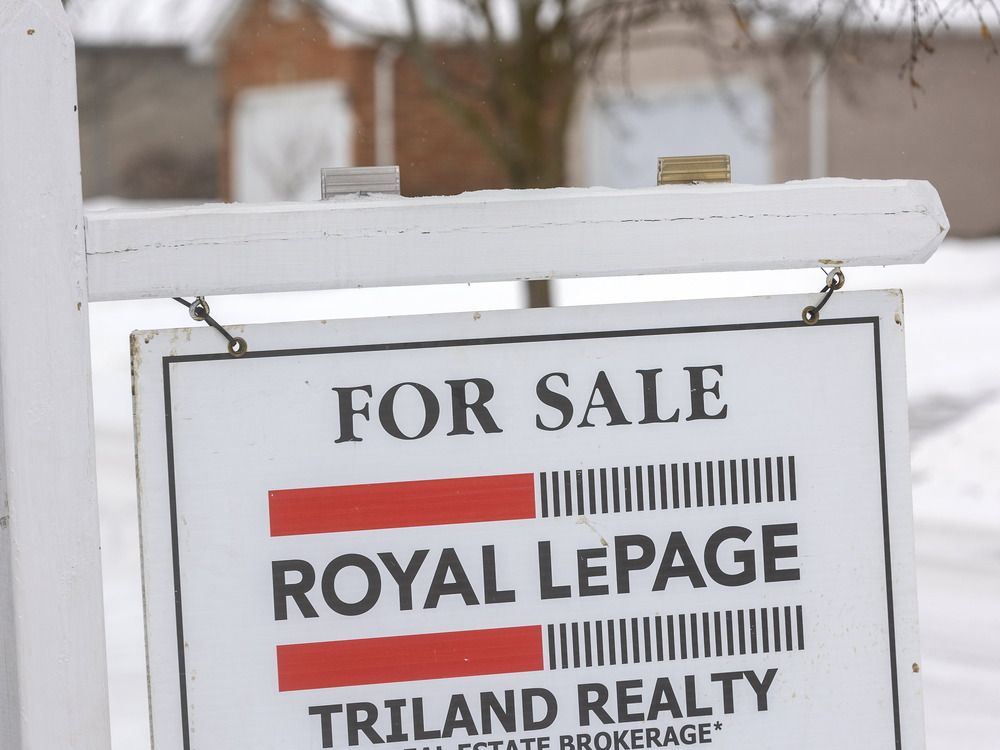
Royal LePage Real Estate Services Ltd.’s
report for 2026.
The report, released Tuesday, said prices
in Toronto
and Vancouver
will fall 4.5 per cent in aggregate during the fourth quarter of 2026 from the same period in 2025, while prices on the West Coast will fall 3.5 per cent compared with an overall increase in prices in Canada of one per cent.
But price increases are expected in several cities. Quebec City tops the pack, with an aggregate price increase of 12 per cent in the final quarter of 2026 compared with 2025, followed by Montreal at five per cent and Regina at four per cent.
Meanwhile, prices in Ottawa, Halifax and Edmonton are expected to rise by two per cent while prices in Calgary and Winnipeg are forecasted to increase 1.5 per cent.
“
Canada has become
more regional over time,” Phil Soper, chief executive of Royal LePage, said, adding that the “pandemic changed the game, as people were able to live where they wanted to live to a certain degree.”
He said prices have been rising faster in Calgary and Montreal than in Toronto and Vancouver since the pandemic.
“Regional differences are at work, but they are normalizing, getting closer together,” he said. “In my expectation, it will continue to close for another two to three years.”
Soper said there are a few factors at play in Toronto and Vancouver that have suppressed prices.
In Toronto, the prices for
single-family homes
are expected to drop one per cent
while those for condos
are forecasted to fall 6.5 per cent at the end of 2026.
“In Toronto and Vancouver, there are deeper holes to dig out of, particularly in the condo sector. There is just so much inventory,” he said, adding that the population will need to start rising again to encourage price growth in the sector.
In Vancouver, where the prices for single-family homes are expected to fall five per cent and condo prices three per cent, Soper said the “irrational exuberance” that hit that market during the pandemic is still “sorting itself out.”
Furthermore, he said,
foreign buyer bans
have impacted Vancouver more than any other city in Canada, as has the sharp drop in immigration.
“It’s a big city, but it’s not nearly as big as Toronto,” he said. “These things have a larger impact.”
A special set of circumstances
boosted housing demand
in Quebec City, Soper said, citing a combination of a housing shortage, tricky geography that makes it harder to build and a boom in some industrial areas, such as high tech.
People tend to focus on home prices, but he said
rising sales
are the “biggest trend” and are a leading indicator of where the market is headed.
“In the summer, we started to see volumes pick up in Vancouver and Toronto, because … obviously we’re at the tail end of long monetary easing,” he said. “So consumers got the message that we’re reaching the normal level of interest rates.”
Soper also said he doesn’t see five-year fixed mortgage rates returning to two per cent or three per cent, which were on offer at the height of the 2021 real estate boom.
• Email: gmvsuhanic@postmedia.com
Toronto, Vancouver home prices to fall in 2026 as rest of Canada ploughs ahead, Royal LePage says
2025-12-09 20:35:27