
More Canadians missed payments on their
auto loans
in the third quarter, a trend that was most pronounced amongst the youngest and oldest
cohorts of vehicle owners
.
The number of people aged 25 or younger who
missed three or more payments
increased to 2.94 per cent of all auto loans, a 9.24 per cent increase from a year ago, and payments missed by the 26-to-35-year-old group grew to 2.54 per cent, a 10.7 per cent increase, according to Equifax Canada.
Borrowers aged 56 to 65 who missed three or more payments represented 1.33 per cent of all loans, a 14.88 per cent increase from last year, while missed payments by those 65 and over grew to 1.03 per cent, a 16.02 per cent increase.
Overall, 1.88 per cent of borrowers missed three or more payments, up 10.77 per cent from a year ago.
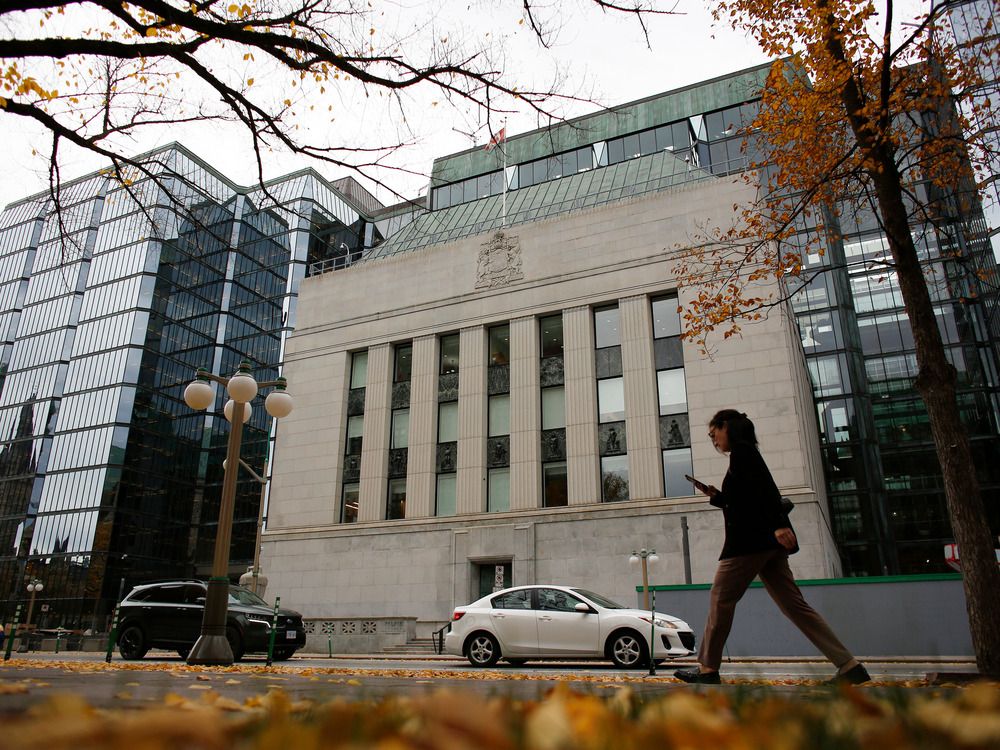
The current situation is a result of a lingering hangover from COVID-19, when supply chain snafus and chip shortages constrained the supply of vehicles and helped drive up prices for new and used vehicles. But as those challenges resolved, the Bank of Canada in 2022 started increasing interest rates, eventually taking the overnight rate up to five per cent from 0.25 per cent.
“You end up in a situation
where affordability for vehicles
has been a major, major challenge,” Rebecca Oakes, vice-president of advanced analytics at Equifax, said.
Combining that with wider inflation and higher housing costs has turned affordability into a major political issue. Oakes said
vehicle prices have increased so much
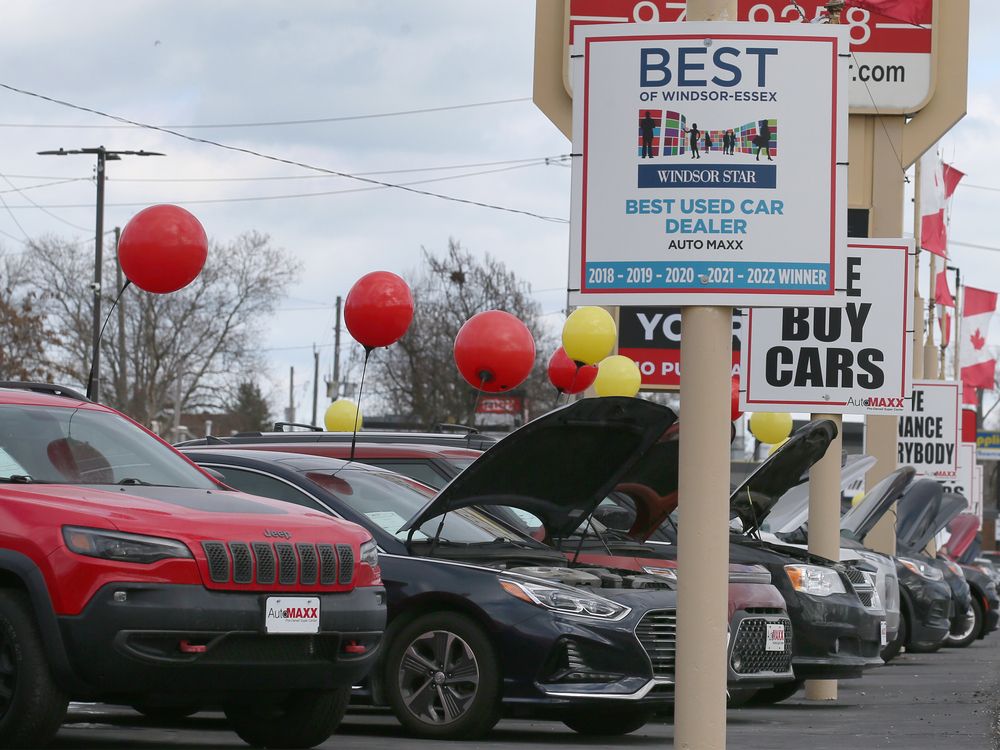
that borrowers are taking out longer-term loans, sometimes seven years or eight years on used vehicles that may not last that long.
Automakers
and
banks
, which supply loans for new and used vehicles, are also feeling the pain. The balance on auto loans from borrowers aged 25 and under when three or more payments were missed accounted for 1.91 per cent of the total balance of all loans in the third quarter. That’s a 23.75 per cent increase from a year ago.
Overall, the
balance on loans
with three missed payments in the third quarter represented 1.03 per cent of all loans, a 4.87 per cent increase from last year.
Oakes said insurance rates have also risen, further elevating the costs of vehicle ownership.
“Obviously, the affordability is still a real challenge,” she said. “We’re starting to see average interest rates on auto loans coming down a little bit,” but they haven’t declined as quickly as the Bank of Canada overnight rate, which sits at 2.25 per cent.
Estimates vary as to how much vehicle prices in Canada have shifted in recent years. The average price of a new vehicle in Canada in the third quarter fell 4.9 per cent year over year to $63,264, according to AutoTrader.ca, an online marketplace for new and used vehicles. But used car prices are up 3.2 per cent year over year to $36,911.
Baris Akyurek, vice-president of insights and intelligence at Trader Corp., which runs the AutoTrader online marketplace, said vehicle sales have been strong through 2025, but there are nuances to that trend since some of the demand has shifted to more affordable vehicles from luxury vehicles.
He estimated that 1.5 million fewer vehicles than expected entered the Canadian marketplace between 2020 and 2023. As a result, there are now fewer used vehicles that are three to five years old, which is partly why used vehicle prices are not coming down like they are for new vehicles.
Dan Park, chief executive of Clutch Technologies Inc., a Toronto-based online used car merchant that refurbishes and resells used cars, said there are a lot of mixed signals in the marketplace.
In November, Clutch said the average price of a used car on its marketplace was $34,352, up 6.21 per cent from last year.
Clutch also tracks what it calls “negative equity,” which is when a borrower owes more on a vehicle loan than the value of the vehicle.
Park said 18.1 per cent of the people who considered selling their vehicle to Clutch in the third quarter were underwater by an average amount of $8,100. In the first quarter, 23.5 per cent of the potential sellers to Clutch were underwater,
but by a lower average amount of $7,710
.
Still, market conditions have clearly worsened. In the first quarter last year, 7.2 per cent of potential sellers to Clutch were underwater by an average amount of $5,050.
“What it means is people bought cars really expensively in the pandemic,” he said.
The current market, however, could be described as neutral to slightly soft, Park said.
“The economic data suggests we are in a pretty moderate to fine economy, but the sentiment is negative,” he said.
• Email: gfriedman@postmedia.com
Auto loan defaults continue to rise as affordability takes a bite out of consumers' pockets
2025-12-04 16:23:06